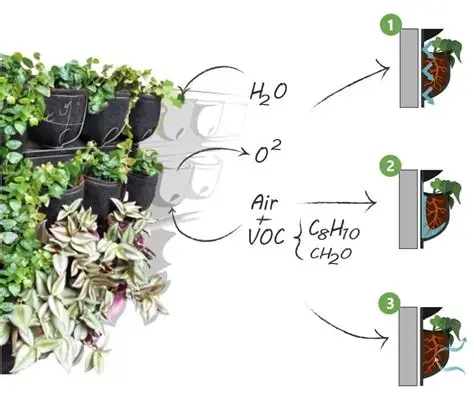
Scientists and urban environmental experts are developing “living walls” to improve air quality and make cities greener, making this an important science and environmental innovation news story. Living walls, also called vertical gardens, are walls covered with plants that grow on specially designed panels attached to buildings.
In busy cities, air pollution from vehicles, factories, and construction can affect health. Experts explain that plants naturally absorb carbon dioxide and harmful pollutants while releasing oxygen. Living walls help filter the air and create healthier surroundings.
These green walls are designed with irrigation systems that supply water to the plants. Some systems also include sensors to monitor moisture levels and ensure plants receive the right amount of water.
For children, this news matters because cleaner air helps people breathe better and stay healthy. Green spaces also make cities more beautiful and pleasant.
Living walls can reduce indoor temperatures by providing natural insulation. Buildings stay cooler in summer and warmer in winter, reducing energy use.
Scientists say the plants used in living walls are selected for their ability to survive urban conditions and absorb pollutants effectively.
Cities are installing living walls on office buildings, schools, shopping centers, and public spaces.
Some schools are creating small vertical gardens to teach students about plant growth and environmental protection.
Experts emphasize that living walls also reduce noise pollution by absorbing sound.
Urban planners see living walls as part of sustainable city design.
Researchers continue studying which plant species provide the best air purification benefits.
The development of living walls demonstrates how nature-based solutions can improve urban environments.
Learning about green infrastructure teaches children the importance of caring for the environment.
By covering walls with plants, cities can improve air quality, save energy, and create greener spaces for healthier communities.