Scientists and urban climate experts are developing cooling pavements designed to reduce heat in cities, making this an important environment and sustainable innovation news story. These special road and sidewalk surfaces reflect more sunlight and absorb less heat compared to traditional asphalt.
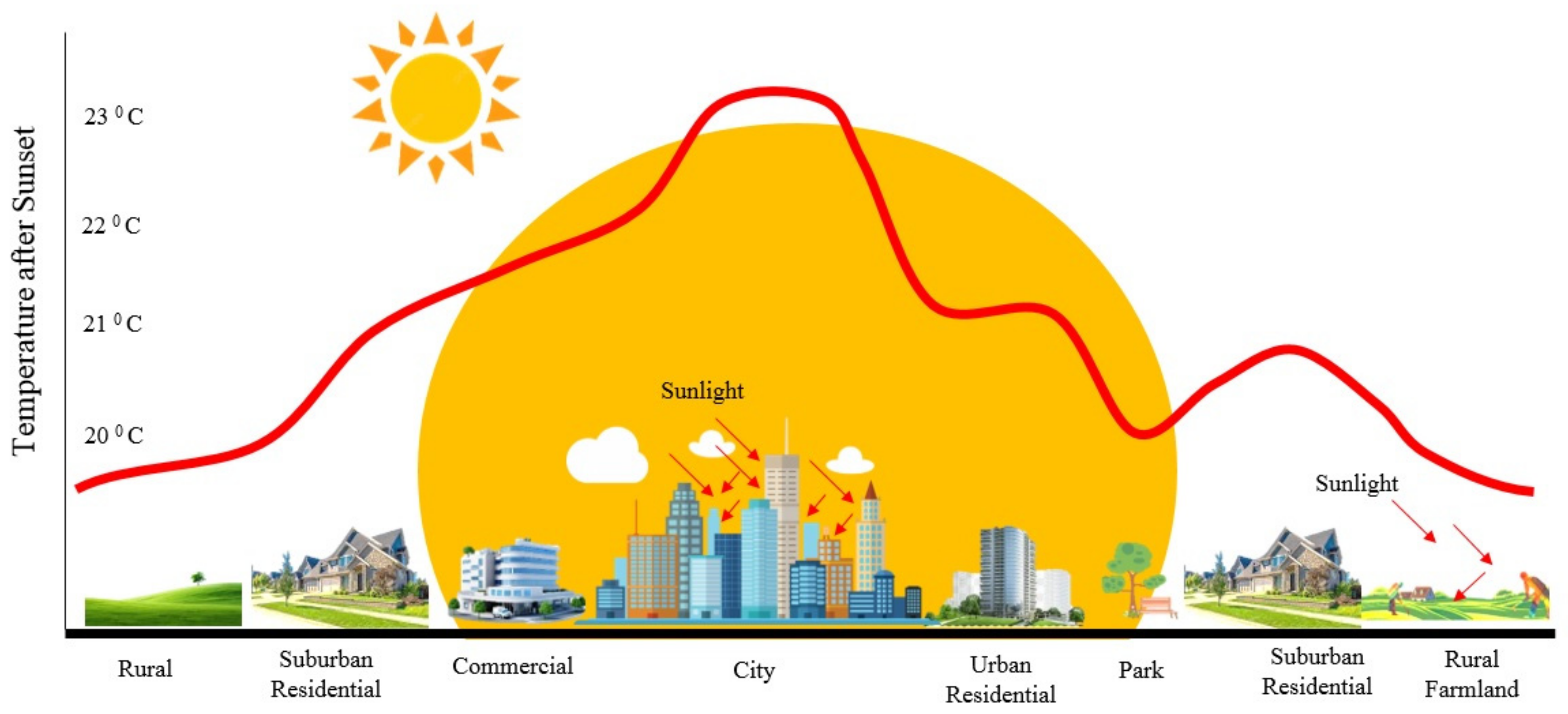
In many cities, roads and buildings trap heat from the sun, creating what experts call the “urban heat island effect.” This makes urban areas significantly warmer than surrounding rural regions. Scientists explain that traditional dark pavements absorb sunlight and release heat slowly, raising temperatures even after sunset.
Cooling pavements are made using lighter-colored materials or special coatings that reflect sunlight. Some versions include porous surfaces that allow water to pass through and evaporate, creating a natural cooling effect.
For children, this news matters because extreme heat can affect health, comfort, and outdoor activities. Cooler neighborhoods make it safer to play outside and improve overall wellbeing.
Engineers are testing cooling pavements in streets, parking lots, playgrounds, and pedestrian areas. Early studies show that surface temperatures can be reduced by several degrees compared to standard asphalt.
Environmental experts say cooler surfaces also reduce the need for air conditioning, which saves energy and lowers electricity use.
Some cooling pavements help rainwater soak into the ground instead of flowing into drains, reducing flooding and improving water management.
City planners are including cooling pavement technology in smart city and climate adaptation plans.
Schools often teach students about climate change and urban sustainability solutions.
Researchers continue improving materials to make cooling pavements durable and cost-effective.
Experts emphasize that cooling pavements work best when combined with tree planting and green spaces.
The development of cooling pavements shows how simple design changes can improve city environments.
Learning about climate-friendly infrastructure teaches children the importance of innovation and sustainability.
By reflecting sunlight and lowering surface temperatures, cooling pavements help create more comfortable, energy-efficient, and climate-resilient cities for the future.