Scientists and renewable energy engineers are developing self-cleaning solar panels that can keep themselves free from dust and dirt, making this an important science and sustainable innovation news story. These advanced panels are designed to maintain high efficiency without frequent manual cleaning.
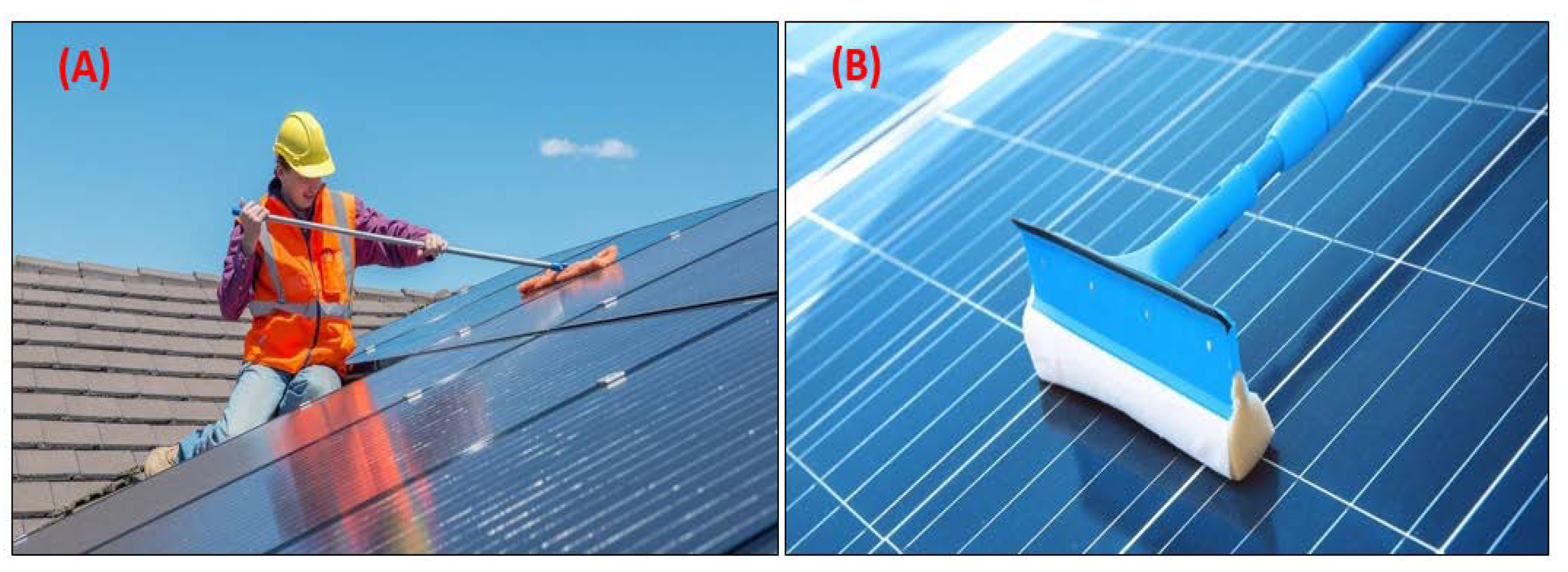
Solar panels generate electricity by capturing sunlight. However, dust, pollution, bird droppings, and sand can accumulate on their surface and block sunlight. Experts explain that even a thin layer of dust can reduce energy production significantly.
Self-cleaning solar panels use special coatings and smart technology to keep their surfaces clear. Some designs use water-repellent coatings that prevent dirt from sticking. Others use electrostatic systems that create small electric charges to push dust away.
For children, this news matters because solar energy is an important source of clean power. Keeping panels clean ensures that homes, schools, and cities receive maximum renewable energy.
Engineers are testing these panels in desert regions and polluted urban areas where dust accumulation is common.
Some systems mimic the lotus leaf effect, where water droplets roll off the surface, carrying dirt away.
Self-cleaning panels reduce the need for water and manual cleaning, which is especially useful in water-scarce regions.
Environmental experts say improving solar efficiency helps increase renewable energy use and reduce dependence on fossil fuels.
Schools often teach students about solar energy and sustainable technologies.
Researchers continue improving coating durability and long-term performance.
Governments and renewable energy companies are investing in innovations that improve solar power efficiency.
Experts emphasize that increasing solar efficiency is key to meeting global climate goals.
The development of self-cleaning solar panels shows how small technological improvements can make renewable energy more effective.
Learning about clean energy innovation teaches children how science helps protect the environment.
By keeping solar panels clean automatically, scientists are helping ensure more efficient energy production and supporting a cleaner, greener future.