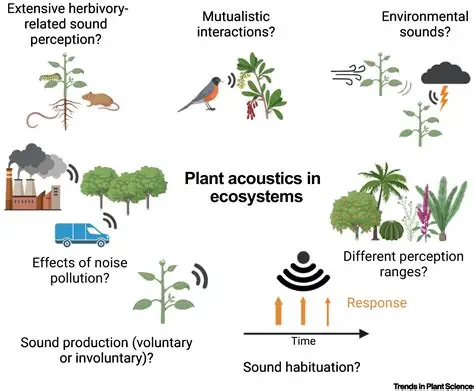
Scientists and environmental engineers are developing plant-based sound barriers to reduce noise pollution in busy cities, making this an important science and environmental protection news story. These natural barriers use rows of dense plants and specially designed green walls to absorb and block unwanted noise from traffic and urban activity.
Noise pollution is a growing problem in urban areas. Experts explain that constant exposure to loud sounds from vehicles, construction, and machinery can affect sleep, concentration, and overall health.
Plant-based sound barriers work by using thick layers of vegetation such as shrubs, grasses, and trees. The leaves, branches, and soil absorb sound waves and reduce the intensity of noise before it reaches nearby homes and schools.
For children, this news matters because quieter surroundings help improve focus, learning, and relaxation. Peaceful environments support mental well-being and better sleep.
Engineers are designing green sound barriers along highways, railway lines, and busy streets. Some projects include vertical garden walls that combine sound absorption with air purification benefits.
Environmental experts say plant barriers also improve air quality by trapping dust and pollutants while releasing oxygen.
These green barriers provide habitats for birds, butterflies, and beneficial insects, supporting urban biodiversity.
Cities are testing pilot projects to measure how effectively plant-based barriers reduce noise levels.
Schools located near busy roads can benefit from such natural noise reduction systems.
Researchers are studying which plant species provide the best sound absorption and require minimal maintenance.
Experts emphasize that combining green barriers with urban tree planting can significantly improve city environments.
The development of plant-based sound barriers shows how nature-inspired solutions can solve urban challenges.
Learning about noise pollution teaches children the importance of protecting both environmental and mental health.
By using plants to absorb sound and improve air quality, scientists are helping create quieter, greener, and healthier cities for future generations.