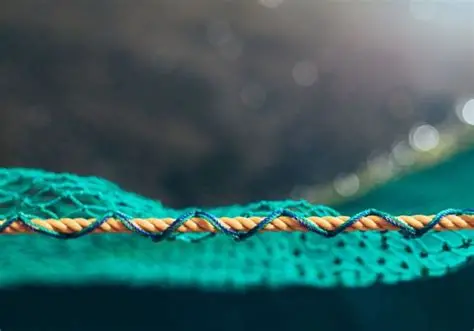
Scientists and marine engineers are developing biodegradable fishing nets to protect ocean life, making this an important science and environmental innovation news story. These eco-friendly nets are designed to break down naturally if they are lost in the ocean, reducing harm to marine animals.
Traditional fishing nets are made from plastic materials that can remain in the ocean for decades. Experts explain that lost or abandoned nets, often called “ghost nets,” continue trapping fish, turtles, and other sea creatures, causing serious harm to marine ecosystems.
Biodegradable fishing nets are made from natural or specially designed materials that decompose over time. If a net is lost, it gradually breaks down in seawater instead of remaining in the environment.
For children, this news matters because healthy oceans support marine life and provide food for millions of people worldwide. Protecting sea animals helps maintain balanced ecosystems.
Scientists are testing materials such as biodegradable polymers and plant-based fibers to ensure the nets remain strong during use but safely break down if lost.
Marine researchers say ghost nets are a major source of ocean plastic pollution. Biodegradable nets could significantly reduce this problem.
Fishermen are being trained to use eco-friendly gear and report lost equipment to prevent environmental damage.
Environmental organizations are supporting projects to promote sustainable fishing practices.
Researchers continue studying how quickly biodegradable nets break down in different ocean conditions.
Some governments are encouraging the use of environmentally friendly fishing equipment through regulations and incentives.
Schools often teach students about ocean conservation and responsible resource use.
Experts emphasize that protecting marine ecosystems is essential for global biodiversity.
The development of biodegradable fishing nets shows how innovation can support sustainable fishing and ocean protection.
Learning about marine conservation teaches children the importance of protecting wildlife and natural resources.
By replacing plastic nets with biodegradable alternatives, scientists and fishing communities are working together to reduce ocean pollution and protect marine life for future generations.