Scientists and engineers are developing self-healing water pipes that can repair small cracks automatically, making this an important science and smart infrastructure news story. This innovative technology aims to reduce water loss, prevent damage, and improve the durability of water supply systems.
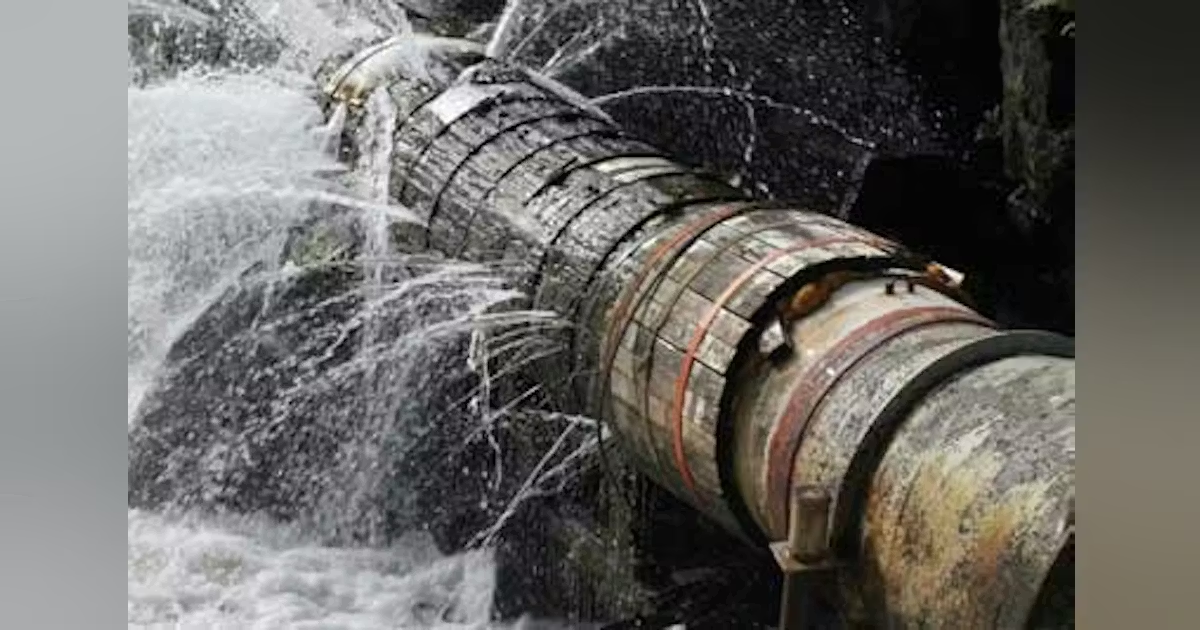
Water pipes carry clean water to homes, schools, and businesses every day. Experts explain that over time, pipes can develop tiny cracks due to pressure, temperature changes, and aging materials. These cracks may grow into leaks that waste large amounts of water.
Self-healing pipes are made using advanced materials that can seal small cracks on their own. Some designs include special polymers or coatings that expand when exposed to water, closing gaps and preventing leaks.
For children, this news matters because clean water is essential for daily life. Preventing leaks helps conserve water and ensures a reliable supply for communities.
Engineers are testing materials that contain tiny capsules filled with sealing agents. When a crack forms, the capsules break open and release substances that seal the damaged area.
This technology can help reduce repair costs and prevent damage to roads and buildings caused by leaking pipes.
Environmental experts say preventing water loss is important because millions of liters of treated water are wasted each year due to pipe leaks.
Smart pipe systems may also include sensors that detect pressure changes and alert maintenance teams to potential problems.
Cities are exploring self-healing infrastructure to improve water management and sustainability.
Schools often teach students about water conservation and the importance of maintaining public infrastructure.
Researchers continue improving material durability and long-term performance.
Experts emphasize that modern infrastructure innovations can help cities become more sustainable and efficient.
The development of self-healing water pipes shows how science can solve everyday problems.
Learning about smart infrastructure teaches children the importance of conserving resources and maintaining essential systems.
By using materials that repair themselves, scientists are helping build more efficient water systems that conserve resources and support a sustainable future.