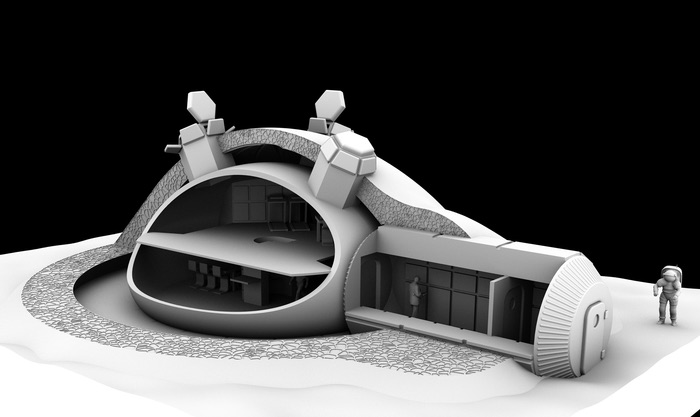
Engineers are designing special space habitat domes that could allow humans to live safely on the Moon, making this an exciting science and space innovation news story. These dome-shaped structures are being developed to protect astronauts from harsh space conditions while providing a comfortable living environment.
The Moon has no atmosphere, which means there is no air to breathe and no protection from extreme temperatures or harmful radiation. Experts explain that habitat domes would act as protective shelters, keeping astronauts safe from these dangers.
The domes are designed using strong, lightweight materials that can withstand meteorite impacts and temperature changes. Some designs include multiple layers for insulation and radiation protection.
For children, this news matters because future astronauts may live and work on the Moon. Building safe habitats is an important step toward long-term space exploration.
Scientists are exploring ways to build these domes using materials found on the Moon’s surface. Lunar soil, known as regolith, could be used to create protective outer layers, reducing the need to transport materials from Earth.
Engineers are also testing inflatable habitats that expand after landing, making transportation easier and more efficient.
Inside the domes, life-support systems would provide oxygen, regulate temperature, and recycle water. Plants may also be grown inside to supply food and produce oxygen.
Researchers are studying how living in low gravity may affect the human body and how habitat designs can support astronaut health.
Space agencies around the world are planning future lunar missions to test habitat technologies.
Schools often teach students about space exploration and the challenges of living beyond Earth.
Experts emphasize that building lunar habitats will help prepare for future missions to Mars.
Scientists continue improving materials and designs to ensure safety and durability.
The development of space habitat domes shows how engineering and science support human exploration beyond Earth.
Learning about space habitats teaches children how innovation helps humans explore new worlds.
By designing protective domes for the Moon, scientists are taking important steps toward future space living and expanding humanity’s presence beyond our home planet.