Researchers are developing space farming systems that will allow astronauts to grow food beyond Earth, making this an exciting science and space exploration news story. As space agencies plan long missions to the Moon, Mars, and beyond, growing fresh food in space has become an important goal.
Astronauts currently rely on packaged and preserved meals during space missions. Experts explain that for long-duration missions, carrying enough food from Earth is expensive and impractical. Space farming could provide fresh vegetables and nutrients while reducing the need for resupply missions.
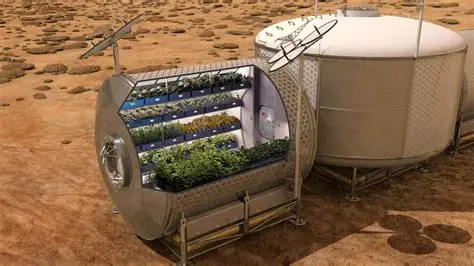
Scientists are experimenting with growing plants in microgravity environments aboard space stations. Special growth chambers provide light, water, and nutrients needed for plants to thrive without soil. This method, called hydroponics, allows plants to grow using nutrient-rich water.
For children, this news matters because growing food in space helps astronauts stay healthy and supports future human exploration. It also teaches important lessons about sustainability and food production.
LED lights provide plants with the exact light spectrum needed for growth. Researchers adjust light color and intensity to help plants grow faster and stronger.
Astronauts aboard space stations have successfully grown crops such as lettuce, radishes, and herbs. These fresh foods provide vitamins and improve mental well-being during long missions.
Scientists are also studying how plants grow in low gravity and how roots develop without soil.
Future space farms may include automated systems that monitor plant health, moisture, and nutrient levels.
Researchers believe space farming can help create self-sustaining habitats on the Moon and Mars.
Schools often teach students about plant growth and life-support systems to inspire interest in space science.
Experts emphasize that growing plants in space also helps recycle carbon dioxide into oxygen, improving air quality inside spacecraft.
Scientists continue experimenting with different crops to find those best suited for space conditions.
The development of space farming systems shows how science supports long-term space exploration.
Learning about growing food in space teaches children the importance of sustainability and innovation.
By developing ways to grow fresh food beyond Earth, scientists are preparing astronauts for future missions and helping humanity take important steps toward living and working in space.