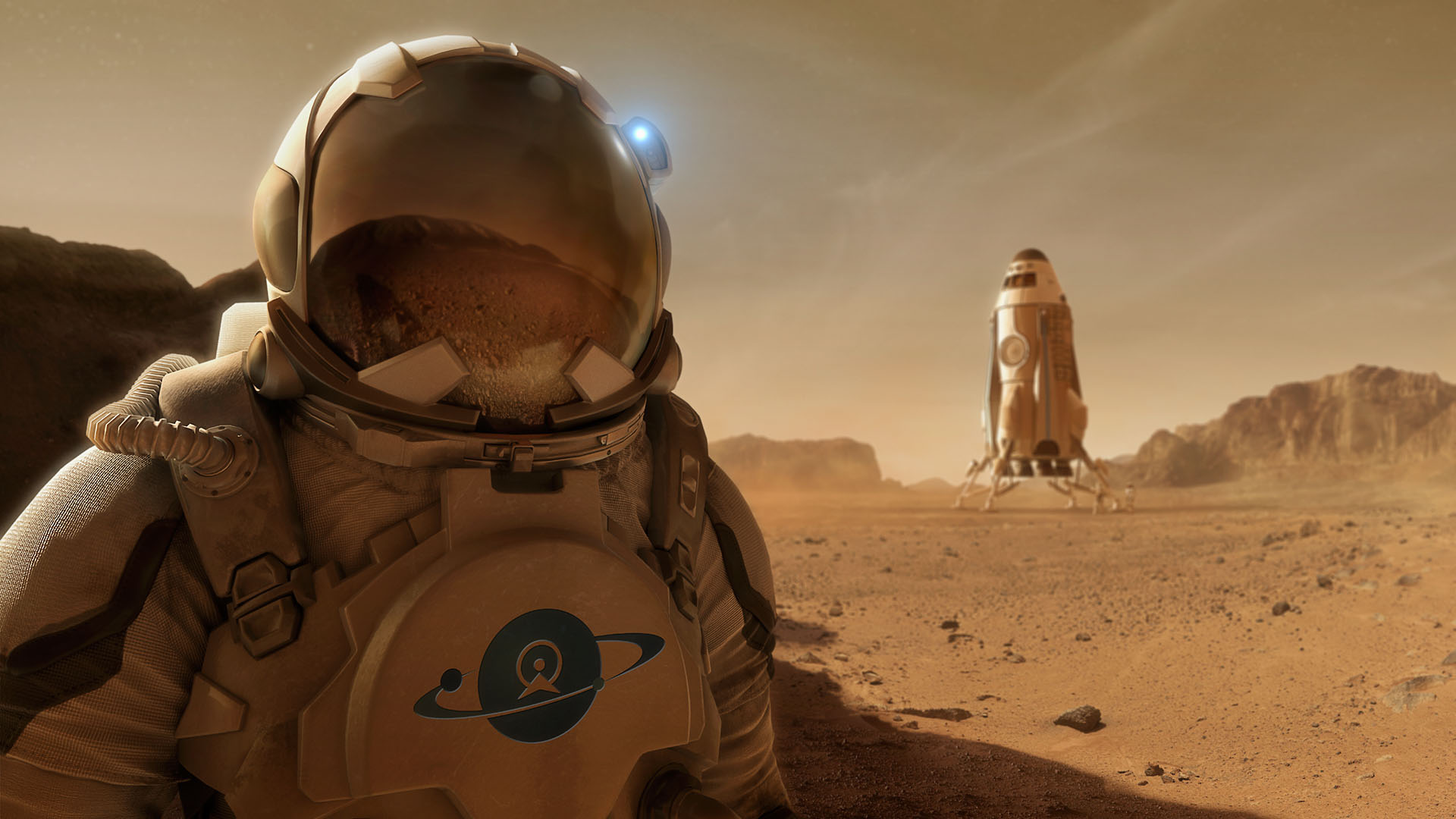
Space agencies around the world are preparing for the first human mission to Mars, making this an exciting space and astronomy news story. Mars, often called the “Red Planet,” has fascinated scientists for decades because it may once have had conditions suitable for life.
Space agencies have already sent robotic rovers to explore Mars. Experts explain that these robots collect soil samples, study rocks, and search for signs of past water. The data gathered helps scientists understand whether humans could live there in the future.
The next major goal is sending astronauts to Mars. This mission will require advanced spacecraft, life-support systems, and careful planning. The journey to Mars could take about six to nine months each way, depending on planetary positions.
For children, this news matters because space exploration helps humans learn more about the universe and develop new technologies. Missions to Mars could lead to discoveries about life beyond Earth.
Scientists are studying how astronauts can survive long journeys in space. Challenges include limited gravity, radiation exposure, and the need for sustainable food and water supplies.
Researchers are designing habitats that could protect astronauts from extreme temperatures and dust storms on Mars.
Water is one of the most important resources for future Mars missions. Scientists believe frozen water exists beneath the Martian surface, which could be used for drinking and producing oxygen.
Engineers are testing rockets capable of carrying heavy equipment and crew safely to Mars and back.
Some countries and private space companies are collaborating to develop technology for deep space travel.
Schools often teach students about planets and space missions to inspire curiosity and scientific interest.
Experts emphasize that Mars missions require careful international cooperation and safety planning.
Researchers continue testing space suits designed for the Martian environment.
The preparation for a human mission to Mars shows how science and engineering are pushing the boundaries of exploration.
Learning about Mars exploration teaches children the importance of curiosity, innovation, and teamwork.
By preparing to send humans to Mars, scientists are taking a major step toward understanding our neighboring planet and expanding humanity’s presence beyond Earth.