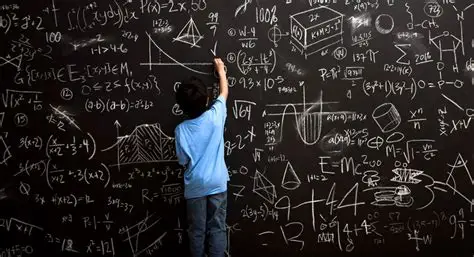
Education experts say practicing mental math can help students improve their calculation skills and think faster in mathematics, making this an important mathematics learning and student skills news story. Mental math means solving math problems in the mind without using paper, calculators, or other tools.
Many students rely heavily on calculators for simple calculations. Experts explain that practicing mental math strengthens brain activity and improves number understanding. It also helps students develop confidence in mathematics.
Mental math includes simple techniques such as adding, subtracting, multiplying, and dividing numbers quickly in the head. For example, students can break numbers into smaller parts to solve problems easily.
For students, this news matters because strong mental math skills help them solve problems faster during exams and daily life.
Experts suggest starting with small exercises such as quick addition and subtraction practice. For example, adding numbers like 25 + 30 can be solved mentally by thinking 20 + 30 = 50 and then adding the remaining 5.
Multiplication shortcuts can also help. Students can break numbers into easier parts, such as solving 12 × 5 by calculating 10 × 5 and then adding 2 × 5.
Mental math improves concentration and strengthens memory because the brain actively processes numbers.
Teachers encourage students to practice mental math through fun classroom activities and quizzes.
Mathematics games and puzzles can make mental calculation practice more enjoyable.
Parents can support learning by asking simple math questions during daily activities such as shopping or cooking.
Experts say regular practice for just a few minutes each day can improve mental calculation speed.
Mental math skills also help students develop logical thinking and problem-solving abilities.
Students who practice mental math often feel more confident during mathematics exams.
Educational researchers say strong number sense helps students understand advanced math topics later.
Schools are introducing mental math challenges to encourage quick thinking and healthy competition.
Experts emphasize that mistakes during practice help students learn and improve.
Mental math can also be useful in real-life situations such as budgeting, measuring, and estimating.
By practicing mental math regularly, students can strengthen their brain, improve calculation speed, and develop confidence in mathematics while building strong problem-solving skills for the future.