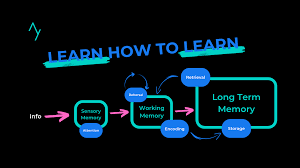
Education experts say spaced revision is a highly effective learning technique that helps students remember information for a longer time. Spaced revision means reviewing the same topic multiple times over a period instead of studying it only once.
Many students try to study everything in one day before exams. Experts explain that this method, known as cramming, often leads to quick forgetting.
Spaced revision works by giving the brain time to process and store information gradually.
For students, this news matters because better memory helps improve understanding and exam performance.
Experts recommend revising a topic on the same day it is learned, then again after a few days, and later after a week.
This repeated revision strengthens memory and helps students retain information longer.
Teachers encourage students to create a revision schedule to follow spaced learning.
Experts say short and regular revision sessions are more effective than long study hours.
Students can use notes, flashcards, or summaries for spaced revision.
Parents can support this habit by reminding children to revise topics regularly.
Experts emphasize that spaced revision reduces exam stress because students are better prepared.
Students who follow this method often find it easier to recall information during tests.
Teachers say this technique works well for all subjects, especially those requiring memorization.
Experts recommend combining spaced revision with self-testing for better results.
Students should track which topics need more revision.
Regular revision helps students build confidence in their knowledge.
Experts say this method improves long-term memory and understanding.
Students can review difficult topics more frequently.
Teachers encourage students to start spaced revision early instead of waiting for exams.
Experts believe consistency is key for this technique to work.
Students who use spaced revision often perform better academically.
This method also helps students manage their study time effectively.
By using spaced revision regularly, students can remember lessons longer, improve understanding, and develop effective study habits that support long-term academic success