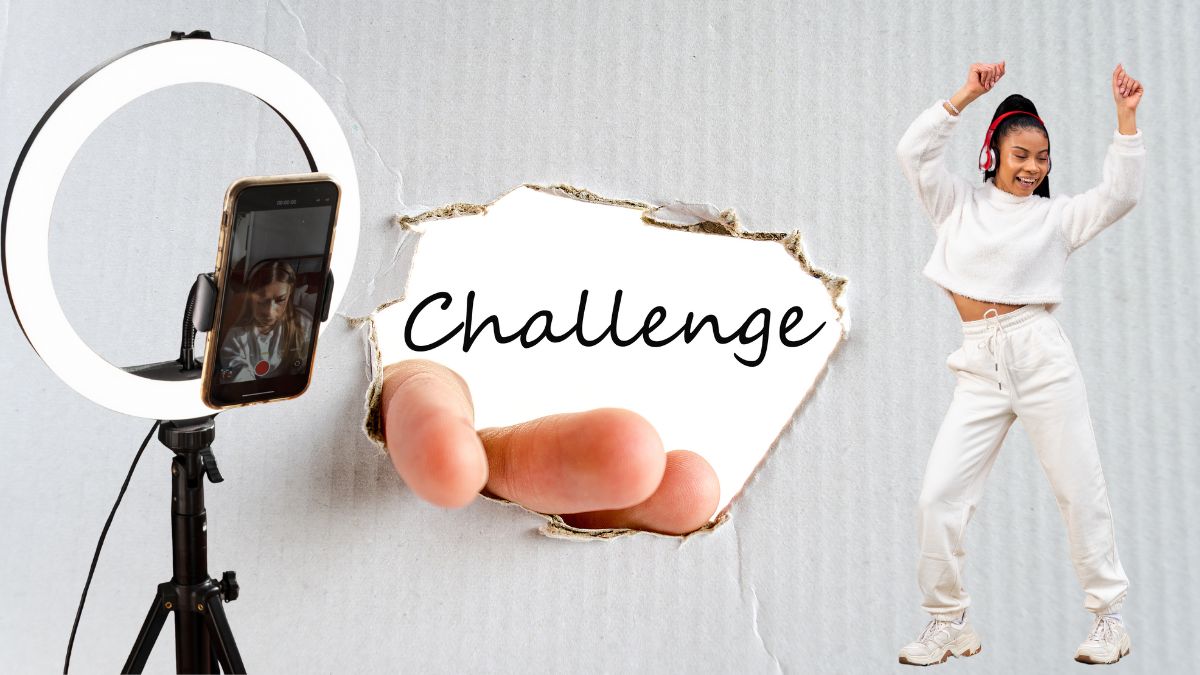
Every week, a new viral challenge sweeps through TikTok. It might involve dancing, lip-syncing, or doing a clever prank. But hidden among the fun are darker trends that have caused serious injuries—and even deaths—among young users around the world.
From the outside, these challenges seem harmless. They start with someone posting a short, catchy video. Within hours, millions of others copy it. Most are safe and creative. But some push dangerous limits—encouraging kids to eat non-food items, hold their breath too long, or jump from moving vehicles.
One such trend, called the “blackout challenge,” urged users to choke themselves until they fainted. It began years ago but resurfaced in 2024 on short-video platforms. In several countries, including India, the U.S., and Italy, teenagers died attempting it. Their families have since filed cases against the platform, accusing it of failing to remove risky content fast enough.
Another viral stunt, the “skull breaker challenge,” invited friends to trick someone into jumping while the others kicked their legs from under them. Many children ended up with fractured skulls or spinal injuries. Similarly, the “Benadryl challenge,” which encouraged taking excessive medicine doses for hallucinations, led to hospitalizations.
Doctors and psychologists warn that these challenges exploit a basic human instinct—the desire to belong. “Children join trends because they don’t want to feel left out,” says Mumbai-based child psychologist Dr. Neha Kapoor. “Peer approval online feels as powerful as real-life friendship.” The combination of social pressure, curiosity, and the thrill of going viral can overpower judgment.
TikTok and similar apps have taken steps to address this. The company now uses artificial intelligence to detect harmful trends, restrict related hashtags, and remove dangerous videos. It also displays warning messages when users search for risky keywords. Yet new challenges keep emerging faster than moderation systems can respond.
Experts say that the problem is not the app itself but how children use it. Teen brains are still developing impulse control. They respond strongly to dopamine spikes—tiny bursts of pleasure from likes, views, or comments. The more viral a trend, the more rewarding it feels to participate. That’s why even smart, cautious kids can make risky choices online.
Parents and schools can play a key role in prevention. Instead of banning TikTok completely, experts recommend digital mentoring—watching and discussing content together. When children understand how social media works, they become better at spotting manipulation. “Ask them why a video feels exciting,” says Dr. Kapoor. “Then explain how algorithms push popular content to keep users hooked.”
Awareness campaigns are spreading. Several Indian schools have begun conducting “Social Media Safety Days,” where teachers explain the dangers of viral trends. The Ministry of Education’s Cyber Safety Handbook now includes a chapter on short-video platforms and digital challenges. It urges schools to teach students how to report harmful content and protect peers.
The message is reaching students too. In Hyderabad, a group of teenagers started a club called “Pause Before You Post.” They create short awareness videos debunking dangerous challenges. Their videos themselves have gone viral, but for the right reasons—teaching responsibility and humor instead of harm.
TikTok’s parent company, ByteDance, also says it is improving safeguards. In its 2025 report, the company noted a 45 percent reduction in videos related to harmful challenges since stricter filters were introduced. It also launched a “Family Pairing” feature allowing parents to set screen limits and content filters.
Still, technology alone cannot solve the issue. The deeper challenge lies in the culture of instant fame. Children often equate visibility with worth. A trending post feels like success, even if it’s dangerous. Teaching them that popularity is not the same as value is crucial.
Psychologists suggest simple home habits. Keep phones out of bedrooms at night. Talk daily about what children saw online. Ask them to explain a trend before they try it. Reward creative and safe content instead of risky ones. Encourage them to follow creators who inspire learning, art, or kindness.
Schools, too, can guide students to turn digital platforms into tools for positive expression. Many educators now encourage “safe challenges” focused on creativity—like making eco-friendly crafts, recording kindness acts, or sharing science experiments. When children discover that social media can spread good ideas, they become less drawn to harmful ones.
Some governments have begun taking stronger action. Italy temporarily restricted TikTok for underage users after several child deaths linked to viral stunts. India’s IT ministry continues to work with platforms to flag unsafe content quickly. These efforts remind us that safety must evolve as fast as the internet does.
The real solution, however, begins with empathy. When a child joins a dangerous challenge, it’s often a cry for connection or recognition. Instead of blaming, adults can listen and guide. A simple talk—“I saw this trend, what do you think?”—can build trust and open communication.
Every click online leaves an impression, and every challenge is a choice. The thrill of going viral lasts a few hours; the impact of a bad decision can last a lifetime. Children who learn to pause, question, and choose wisely will be safer not just on TikTok but everywhere online.
The internet is powerful, and so are its users. If we can turn the same energy that fuels dangerous trends toward creativity, learning, and empathy, the next viral challenge might not harm—it might heal. The challenge is clear: make the internet a place where being smart is the new cool.