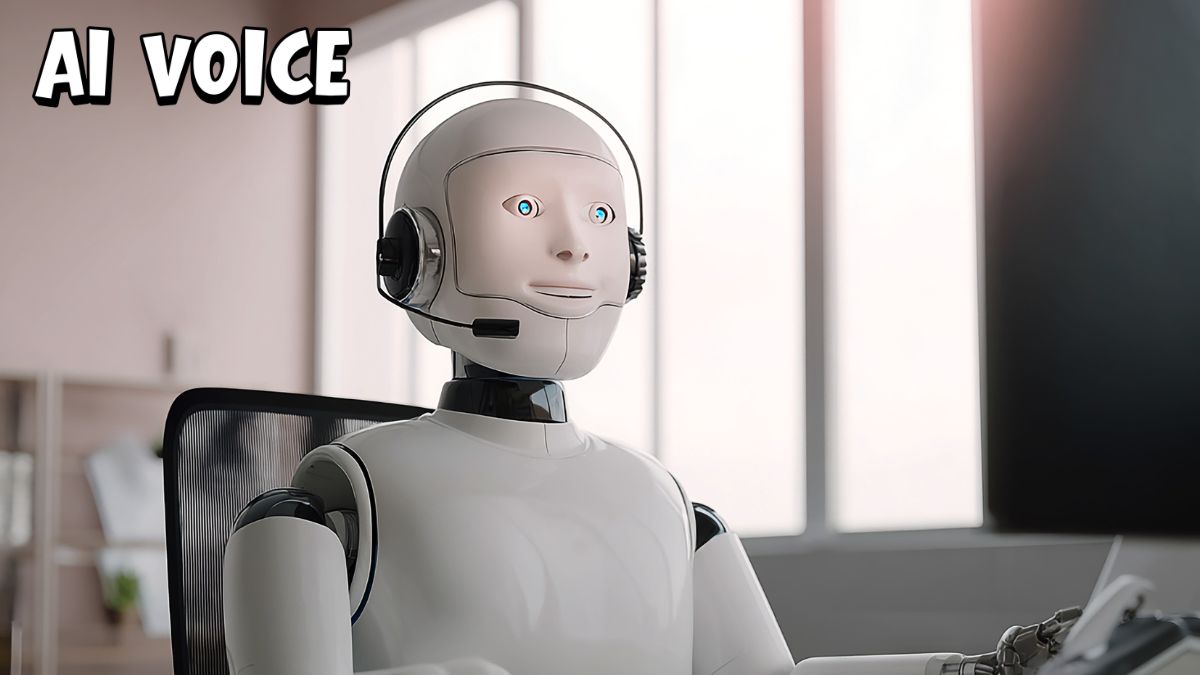
It starts with a phone call. A familiar voice says, “Mom, I’m in trouble. Please send money.” The voice sounds real—same tone, same words your child would use. But it isn’t them. It’s artificial intelligence, mimicking your child with frightening accuracy. Welcome to the new face of cybercrime: AI voice cloning.
In 2025, experts warn that deepfake technology has moved from the internet’s dark corners into everyday life. Using just a few seconds of audio—sometimes from social media videos or school projects—scammers can now recreate voices that sound almost identical to real people. This tool, once used for entertainment, is being misused to trick families, especially parents of school-age children.
Cybersecurity agencies across the world have reported a rise in such cases. In one incident in the United States, a mother transferred money after hearing what she thought was her daughter crying on the phone. The call was later proven fake. Similar scams have surfaced in India, where fraudsters used cloned voices of school officials or relatives to demand urgent payments.
AI voice cloning works through advanced machine-learning models. These systems study patterns in speech—pitch, tone, rhythm, and accent—and reproduce them digitally. With the right software, anyone can generate a realistic-sounding audio clip in minutes. Many apps offer free or cheap cloning services, making it easy for misuse to spread faster than regulation.
Experts say children are especially at risk because their voices often appear online—in class videos, YouTube channels, or school events. “Once audio is public, it can be copied,” explains Ankit Chauhan, a cybersecurity analyst. “The technology doesn’t know right from wrong. It just recreates.”
Governments and tech platforms are now racing to catch up. India’s Ministry of Electronics and Information Technology (MeitY) has begun drafting new rules under the Digital India Act to regulate AI misuse. Meanwhile, global companies like Meta and Google are developing detection tools that can flag synthetic voices. But experts agree that awareness remains the strongest defense.
So, how can families protect themselves? The first step is verification. If you get a call claiming to be from your child or relative asking for help, hang up and call back on their known number. Never act under pressure. Scammers rely on panic to make victims act quickly. Parents should also establish “family verification codes”—unique phrases only close family members know, to confirm authenticity in emergencies.
Schools and parent groups can help too. Some international schools have started digital safety orientations explaining how AI-generated content works. They teach students not to post or share unnecessary voice or video recordings publicly. Small precautions, like limiting what’s shared online, can prevent large problems later.
Technology also offers tools for defense. Apps are emerging that can detect subtle irregularities in voice frequency—differences the human ear may miss. Even major phone companies are testing “deepfake alert” systems that tag suspicious calls or messages.
Psychologists say that beyond financial scams, voice cloning poses emotional risks. Hearing a loved one’s voice used for deceit can deeply affect children and parents alike. “It breaks trust in sound,” says child psychologist Dr. Kavita Deshmukh. “Voices once meant safety. Now, they can cause fear.” Children exposed to such incidents may develop anxiety or digital distrust.
Experts recommend open family conversations about the issue. Parents can explain to children—without scaring them—how technology can mimic voices and images. The goal is to build awareness, not panic. When children understand how AI can be both useful and risky, they become smarter digital citizens.
Schools can include this topic under cyber wellness programs. Short lessons on deepfakes, misinformation, and AI ethics can teach students how to verify before believing. Teachers can also demonstrate examples of cloned vs. real voices to help students hear the difference.
Some countries are taking stronger legal steps. The European Union’s AI Act classifies deepfake misuse as a punishable offense. In India, new guidelines under the Information Technology Rules, 2021 require platforms to remove harmful synthetic content within 24 hours of detection. However, technology evolves faster than laws, making personal vigilance critical.
The irony is that AI voice technology also has positive uses. It helps people who’ve lost their voices to illness communicate again. It supports language learning and accessibility tools for visually impaired users. The challenge lies in drawing a clear ethical line. “The problem isn’t AI,” says analyst Chauhan. “It’s how humans choose to use it.”
Parents can follow a simple checklist for safety:
– Keep children’s social-media accounts private.
– Avoid posting videos with clear voice samples.
– Use two-step verification for communication apps.
– Teach kids to confirm emergencies through trusted adults or school authorities.
Ultimately, digital safety begins at home—with calm conversations, clear rules, and shared awareness. Children should know that if something online feels strange, they can talk about it without fear.
As AI becomes part of daily life, trust will depend not on how real something sounds but on how carefully we listen. In a world where voices can lie, the real security comes from open ears, alert minds, and honest conversations.
The next time your phone rings with a familiar voice, remember: technology can imitate sound, but it can never replace the truth that comes from trust.