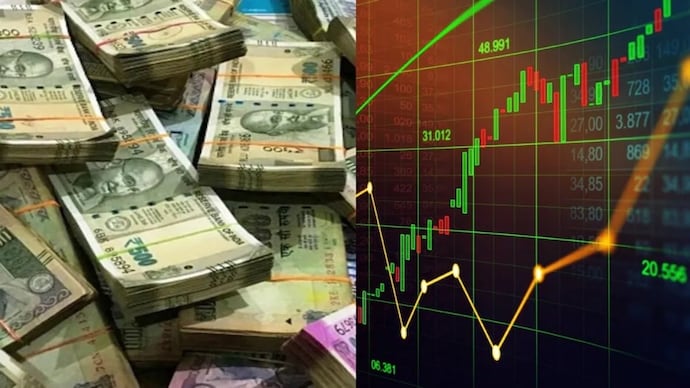
India’s main stock markets experienced mixed trading on December 11, 2025 as investors reacted to global financial news and local market conditions. The benchmark indexes closed almost flat — meaning they didn’t move much — because gains in metals stocks were partly taken back by profit-taking from other sectors. Reuters
The markets were responding to news from the U.S. Federal Reserve, which recently cut interest rates by 25 basis points — a decision meant to help the economy grow by making it cheaper to borrow money for homes, business and projects. But even with this supportive move, stock investors in India were cautious, leading to a “flat” market where prices didn’t change dramatically across the board. Reuters
Why this matters is because stock markets reflect people’s confidence in the economy. When investors feel positive about the future, they buy more stocks; but when they’re cautious, markets may stay steady or even dip. For families and young people, markets can affect things like:
-
Job opportunities: If the economy grows, companies may hire more people — including future jobs for today’s students.
-
Prices of goods and services: Markets influence how businesses invest, which can eventually affect prices on everyday items.
-
Future savings and money planning: When people learn about markets young, they can understand how money, savings and investment work — valuable skills for later in life.
Economists and analysts will continue watching how markets move in the coming weeks as investors respond to more economic signals at home and abroad. This kind of news helps you understand how global financial systems connect to everyday life, even if you’re not buying stocks yourself.
In short: India’s stock markets saw only small changes as investors balanced hopes from a U.S. rate cut with caution in trading — a reminder that financial news matters to economies everywhere. Reuters
Learning takeaway: Understanding how stock markets work — even at a basic level — can help you see the bigger picture of money, jobs and how the world’s economy stays connected across countries.