Rainbows are one of nature’s most beautiful sights, and this topic is trending because scientists and teachers are helping kids understand the simple science behind rainbows that appear after rain.
A rainbow forms when sunlight meets raindrops in the air. The light bends, spreads out and reflects inside the drops, creating a colourful arc in the sky.
How a rainbow is made
A rainbow forms in three main steps:
-
Refraction: Sunlight bends when it enters a raindrop
-
Reflection: Light bounces inside the drop
-
Dispersion: Light splits into different colours
White sunlight is actually made of many colours. When it passes through water, these colours spread out and become visible.
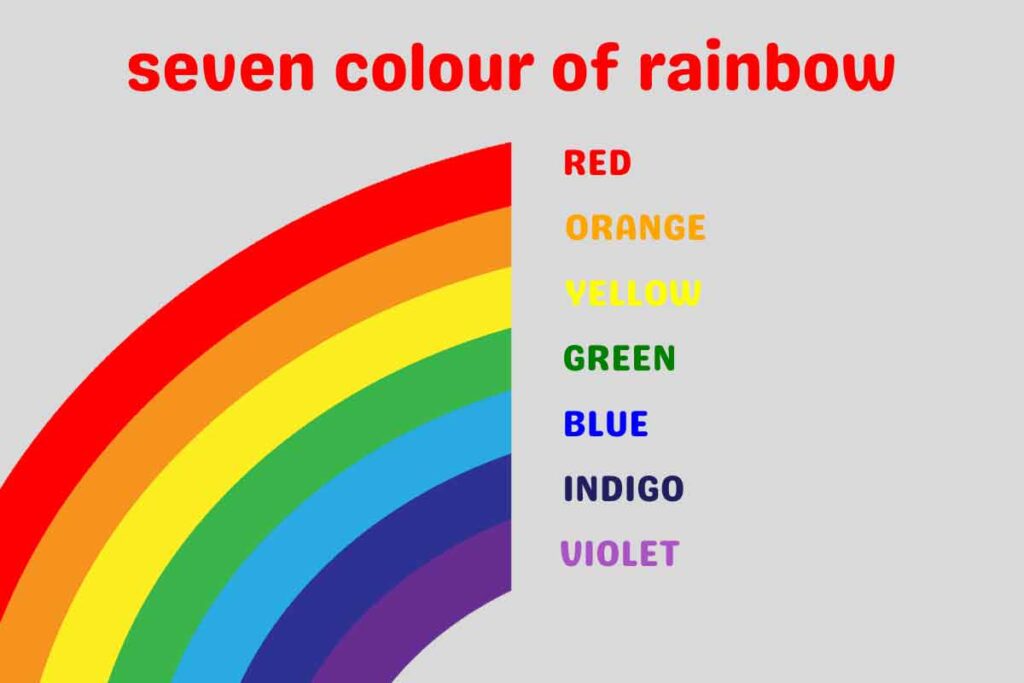
Why rainbows have seven colours
The seven colours of a rainbow are:
-
Red
-
Orange
-
Yellow
-
Green
-
Blue
-
Indigo
-
Violet
These colours always appear in the same order because each colour bends differently when passing through water.
When can you see a rainbow?
You can usually see a rainbow when:
-
The sun is shining
-
It has just rained
-
The sun is behind you
-
Rain or mist is in front of you
Rainbows can also be seen near waterfalls, fountains or even garden sprinklers!
Why kids should care
-
Rainbows show how science exists in everyday life
-
They help kids understand light and colours
-
Learning science through nature makes it fun and exciting
Teachers say rainbows are a great way to introduce children to physics without using difficult words or formulas.
Some scientists even study rainbows on other planets to understand their atmospheres.
In short: Rainbows are formed when sunlight passes through raindrops and splits into seven beautiful colours.
Learning takeaway: Nature uses simple science to create amazing sights — understanding it makes the world even more magical. 🌦️🌈