Volcanoes are among the most powerful natural wonders on Earth, and this topic is trending because scientists are closely watching volcanic activity in different parts of the world to keep people safe.
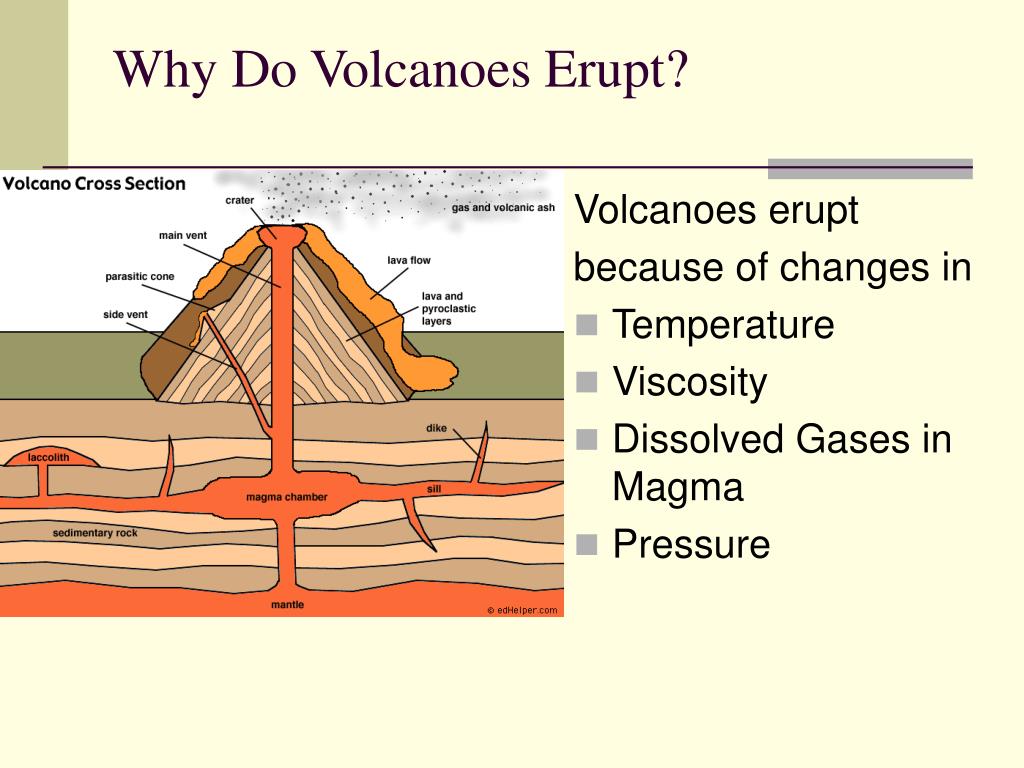
A volcano is an opening in the Earth’s surface where hot melted rock, ash and gases can escape from deep underground. When this material comes out, it is called a volcanic eruption.
What is inside a volcano?
Deep inside the Earth, there is very hot melted rock called magma. When magma rises to the surface, it is called lava.
A volcano also releases:
-
Ash (tiny rock particles)
-
Steam and gases
-
Hot rocks
These materials build the volcano over time, forming mountains or hills.
Why do volcanoes erupt?
Volcanoes erupt because:
-
The Earth’s crust has cracks and weak spots
-
Pressure builds up underground
-
Hot magma pushes its way out
When the pressure becomes too strong, the volcano erupts — sometimes gently, sometimes explosively.
Are all volcanoes dangerous?
Not all volcanoes are active. Volcanoes can be:
-
Active – erupting or likely to erupt
-
Dormant – quiet for now
-
Extinct – unlikely to erupt again
Scientists use sensors, satellites and AI tools to monitor volcanoes and give early warnings.
Why kids should care
-
Volcanoes help form new land
-
They teach us about Earth’s history
-
Studying volcanoes helps protect people
Volcanic soil is often very fertile, helping plants grow well after eruptions.
Teachers say volcanoes are a great way to learn about Earth science, geography and natural forces.
In short: Volcanoes erupt when pressure from hot magma builds up inside the Earth.
Learning takeaway: Understanding volcanoes helps us respect Earth’s power and learn how science keeps people safe. 🌋🧠