Have you ever noticed that the Moon looks different on different nights? Sometimes it’s round and bright, sometimes it’s half, and sometimes it’s just a thin curve. This topic is popular because understanding moon phases helps children learn how the Earth, Moon and Sun work together.
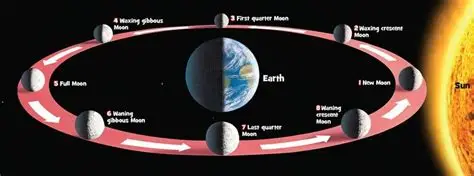
The Moon does not change its shape. What changes is how much of the Moon we can see from Earth.
What causes moon phases?
Moon phases happen because:
-
The Moon moves around the Earth
-
The Sun lights up one half of the Moon
-
We see different lit parts as the Moon travels
It takes about 29 days for the Moon to complete one full cycle of phases.
Main phases of the Moon
The Moon goes through several stages, including:
-
New Moon – the Moon is not visible
-
Crescent Moon – a small curved shape
-
Half Moon – half of the Moon is visible
-
Full Moon – the whole Moon looks bright and round
After the full moon, the Moon slowly becomes smaller again until the next new moon.
Why the Moon is important
The Moon helps Earth by:
-
Creating ocean tides
-
Keeping Earth’s rotation steady
-
Lighting up the night sky
-
Inspiring calendars and festivals
Many festivals and traditional calendars are based on the Moon’s cycle.
Why kids should care
-
The Moon helps us understand space science
-
Watching moon phases builds observation skills
-
It encourages curiosity about the universe
Teachers say moon phases are a great way to introduce children to astronomy using simple observation — just looking at the sky!
Some scientists believe humans may return to the Moon to study it and use it for future space missions.
In short: The Moon appears to change shape because we see different sunlit parts as it moves around the Earth.
Learning takeaway: By watching the Moon, children can learn how space movements create beautiful patterns in the night sky. 🌙🔭