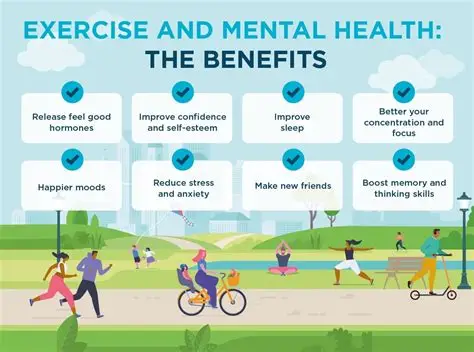
Most people know that exercise makes the body strong, but scientists say it also makes the brain sharper and happier. This topic is popular because schools and doctors are encouraging children to move more to improve learning, focus and mood.
Exercise does not only mean going to the gym. Simple activities like running, playing games, dancing or cycling also count.
How exercise helps the brain
When children exercise:
-
More oxygen goes to the brain
-
Blood flows faster
-
Brain cells become more active
This helps the brain think clearly, remember better and learn faster.
Exercise and mood
Exercise helps the brain release special chemicals called “happy hormones”, which:
-
Reduce stress
-
Improve mood
-
Help children feel calm and confident
That’s why after playing outside, many children feel relaxed and cheerful.
Exercise and learning
Studies show that children who exercise regularly:
-
Concentrate better in class
-
Have improved memory
-
Feel more confident during exams
Some schools include short activity breaks during lessons to help students refocus.
Types of exercise for kids
Good exercises for children include:
-
Running and jumping
-
Playing football, cricket or badminton
-
Skipping rope
-
Swimming
-
Yoga and stretching
Experts suggest at least 60 minutes of physical activity every day.
What happens if kids don’t exercise
Lack of activity can lead to:
-
Tiredness
-
Difficulty concentrating
-
Stress and anxiety
-
Health problems later in life
That’s why balancing screen time with playtime is important.
Why kids should care
-
A healthy body supports a healthy brain
-
Exercise makes learning easier
-
Active kids feel happier and stronger
Teachers say exercise teaches discipline, teamwork and self-confidence.
Fun fact
Even a 10-minute walk can improve focus and memory!
In short: Exercise helps both the body and the brain stay healthy and active.
Learning takeaway: Moving your body every day helps your brain learn better and keeps your mind happy and strong. 🏃♀️🧠