Have you ever wondered why the sky looks blue, leaves look green, or rainbows have many colours? This topic is popular because understanding colours helps children learn how light and our eyes work together to show us the beautiful world around us.
Colours are not objects by themselves. They are created when light hits something and reflects into our eyes.
What is light?
Light is a form of energy that comes from sources like:
-
The Sun
-
Bulbs and lamps
-
Fire
-
Screens and candles
White light may look plain, but it is actually made up of many colours mixed together.
How colours are formed
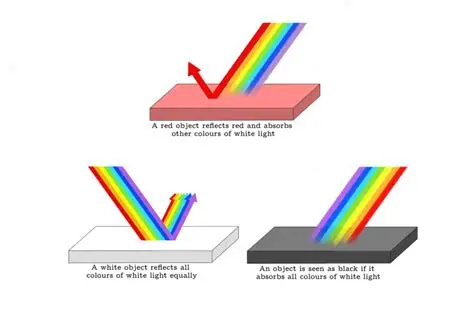
When light hits an object:
-
Some colours are absorbed
-
Some colours are reflected
-
The reflected colour reaches our eyes
For example:
-
A leaf looks green because it reflects green light
-
A red apple reflects red light
-
A black object absorbs most colours
Why the sky is blue
The sky looks blue because:
-
Sunlight enters Earth’s atmosphere
-
Blue light scatters more than other colours
-
Our eyes see more blue in the sky
At sunrise and sunset, the sky can look red or orange because light travels a longer distance through the air.
How rainbows show colours
Rainbows appear when:
-
Sunlight passes through raindrops
-
Light bends and splits into colours
-
Colours spread out in the sky
The seven main rainbow colours are red, orange, yellow, green, blue, indigo and violet.
How our eyes see colour
Our eyes have special cells that:
-
Detect light
-
Identify colours
-
Send signals to the brain
The brain then tells us what colour we are seeing.
Why colours are important
Colours help us:
-
Recognise objects
-
Enjoy art and nature
-
Stay safe (traffic lights and signs)
-
Express emotions
Animals also use colours to hide, warn enemies or attract mates.
Why kids should care
-
Colours make learning fun
-
Understanding light builds science skills
-
Nature becomes more interesting
Teachers say learning about colours helps children see science in everyday beauty.
Fun fact
Some animals can see colours that humans cannot, including ultraviolet light!
In short: Colours are created when light reflects from objects into our eyes.
Learning takeaway: Light paints the world with colour — understanding it helps us see science in every shade around us. 🎨🌍