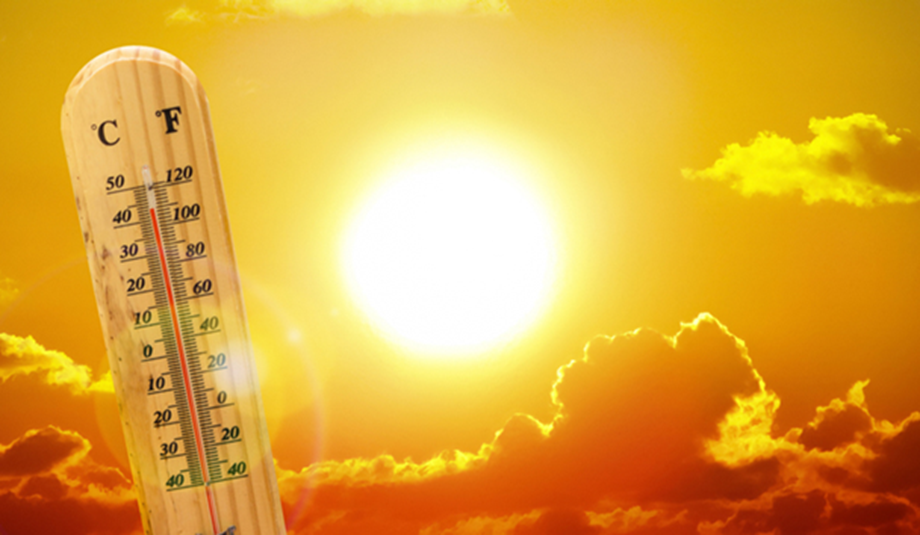
Scientists around the world are warning that heatwaves are becoming more frequent and intense, making this an important and trending climate news story. Experts say rising global temperatures are causing longer periods of extreme heat, which can affect people’s health, nature, and daily life, especially for children and older adults.
A heatwave is a long period of very hot weather, often lasting several days or even weeks. Scientists explain that climate change is making heatwaves happen more often because greenhouse gases trap extra heat in Earth’s atmosphere. As a result, many regions are experiencing record-breaking temperatures during summer months.
Heatwaves can make it hard for people to stay cool, especially in crowded cities where buildings and roads trap heat. Doctors warn that extreme heat can cause dehydration, heat exhaustion, and heatstroke if people do not drink enough water or rest in cool places. Schools in some areas have adjusted schedules or moved classes indoors to protect students during very hot days.
Nature is also affected by heatwaves. High temperatures can dry out soil, harm crops, and increase the risk of wildfires. Animals may struggle to find water and shade, and some plants can stop growing when it becomes too hot. Scientists say these changes can affect food supplies and natural ecosystems.
For kids, this news matters because heatwaves can change daily routines. Outdoor playtime may be limited, and it becomes more important to take care of health during hot weather. Experts recommend simple steps such as drinking plenty of water, wearing light clothing, staying in the shade, and listening to adults’ advice during extreme heat.
Governments and communities are working on ways to reduce the impact of heatwaves. Planting trees, creating green spaces, and designing cooler buildings can help lower temperatures in cities. Reducing pollution and using clean energy are also important steps to slow down climate change over time.
The warning about more frequent heatwaves reminds everyone that climate change affects everyday life. By learning about weather, caring for the environment, and developing healthy habits, children can better understand these changes and help build a safer and cooler future for the planet.