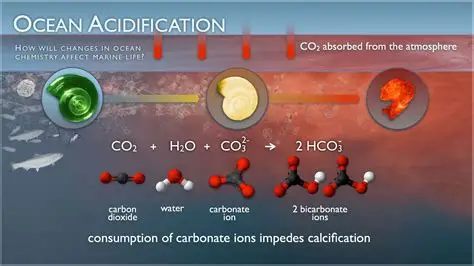
Scientists around the world are studying how oceans absorb carbon dioxide from the air, making this an important and trending science and environment news story. Oceans play a major role in controlling Earth’s climate, and researchers say understanding how they store carbon can help explain climate change and how to slow it down.
Carbon dioxide is a gas released when people burn fuels like coal, oil, and gas. Too much carbon dioxide in the atmosphere traps heat and causes global temperatures to rise. Scientists explain that oceans act like giant sponges, absorbing about one-quarter of the carbon dioxide humans release into the air each year. This helps reduce the speed of global warming.
However, absorbing carbon dioxide changes the ocean itself. When carbon dioxide mixes with seawater, it makes the water more acidic. This process is called ocean acidification. Scientists are concerned because acidic water can harm sea creatures such as corals, shellfish, and tiny ocean plants that form the base of the marine food chain.
Researchers use ships, underwater sensors, and satellites to measure carbon levels in the ocean. By studying different regions, scientists can see where oceans absorb the most carbon and how this is changing over time. This information helps governments and environmental groups plan better ways to protect marine ecosystems.
For kids, this news matters because oceans affect everyday life. Oceans help control weather, provide food, and support millions of animals. Healthy oceans also mean healthier beaches and cleaner air. Understanding how oceans help fight climate change shows how connected Earth’s systems are.
Schools are teaching students about oceans, climate science, and the carbon cycle. Learning how carbon moves between air, water, plants, and animals helps children understand how the planet works. Simple actions like saving energy and reducing pollution can help lower carbon dioxide levels.
Scientists say protecting the oceans is just as important as protecting forests. Reducing pollution and slowing climate change can help oceans continue their role as climate helpers. By learning about ocean science and caring for the environment, young people can help protect the planet and its vast blue waters for the future.