Scientists and environmental experts are drawing attention to wetlands and explaining why these special natural areas are important, making this a trending environment news story. Wetlands include places like marshes, swamps, and mangroves, and they play a big role in protecting nature, wildlife, and people.
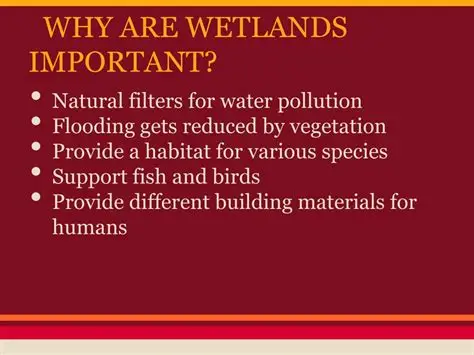
Wetlands are areas where land is covered with water for part or all of the year. They can be found near rivers, lakes, coasts, and even inland areas. Scientists say wetlands act like natural sponges, soaking up extra water during heavy rains and slowly releasing it later. This helps reduce flooding and protect nearby towns and farms.
These watery environments are home to many plants and animals. Frogs, fish, birds, insects, and plants all depend on wetlands for food and shelter. Some animals use wetlands as resting places during long migrations. Because wetlands support so many living things, scientists say they are some of the most productive ecosystems on Earth.
Wetlands also help keep water clean. As water flows through a wetland, plants and soil filter out dirt, chemicals, and pollution. This natural cleaning process improves water quality before it reaches rivers, lakes, or oceans. Clean water is important for drinking, farming, and wildlife.
However, wetlands are disappearing in many parts of the world. They are sometimes drained to make space for buildings, roads, or farms. Pollution and climate change also threaten wetland areas. Scientists warn that losing wetlands can lead to more floods, dirtier water, and fewer places for animals to live.
For kids, this news matters because wetlands help protect the environment they depend on. Healthy wetlands support clean water, reduce natural disasters, and protect wildlife. Learning about wetlands helps children understand how nature works together to support life.
Communities and governments are now working to protect and restore wetlands. Projects include planting native plants, stopping pollution, and protecting wetland areas with special laws. Schools are also teaching students about wetlands through nature walks and science lessons.
The focus on wetlands shows that even quiet, watery places play a big role in keeping Earth healthy. By learning about wetlands and helping protect them, young people can support nature and help build a safer and healthier future for the planet.