Scientists and environmental experts are studying electronic waste, also called e-waste, to explain why recycling old gadgets is important for protecting the planet. E-waste includes items like broken phones, old computers, tablets, chargers, and batteries. This topic is trending because people around the world are using more electronic devices than ever before.
E-waste can be harmful if it is thrown away carelessly. Many electronic items contain chemicals and metals that can pollute soil and water if they end up in landfills. Scientists warn that this pollution can harm plants, animals, and even human health. Recycling e-waste helps stop these harmful substances from entering the environment.
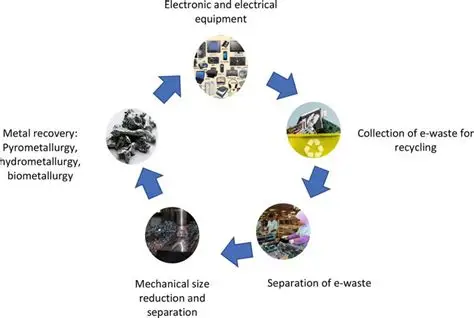
Recycling old electronics also saves valuable resources. Phones and computers contain metals like copper, gold, and silver. Scientists explain that recycling allows these materials to be reused instead of digging new mines, which can damage nature. This process saves energy and reduces pollution caused by mining and manufacturing.
Many countries are setting up special e-waste collection centers where people can safely drop off old electronics. Some schools and communities organize e-waste drives to collect unused gadgets. Experts say it is important to never throw electronics into regular trash bins.
For kids, this news matters because electronic devices are a big part of daily life. Learning how to recycle gadgets responsibly teaches children how technology and the environment are connected. It also encourages smart habits, such as using devices longer and avoiding unnecessary upgrades.
Schools are teaching students about e-waste through science and environmental lessons. Some students learn how electronics are made and what happens when they are recycled. These lessons help children understand the life cycle of products and the importance of reducing waste.
Scientists say everyone has a role to play in reducing e-waste. Reusing devices, repairing them when possible, and recycling them properly can all help protect the planet. By learning about e-waste recycling and making responsible choices, young people can help create a cleaner and more sustainable future.