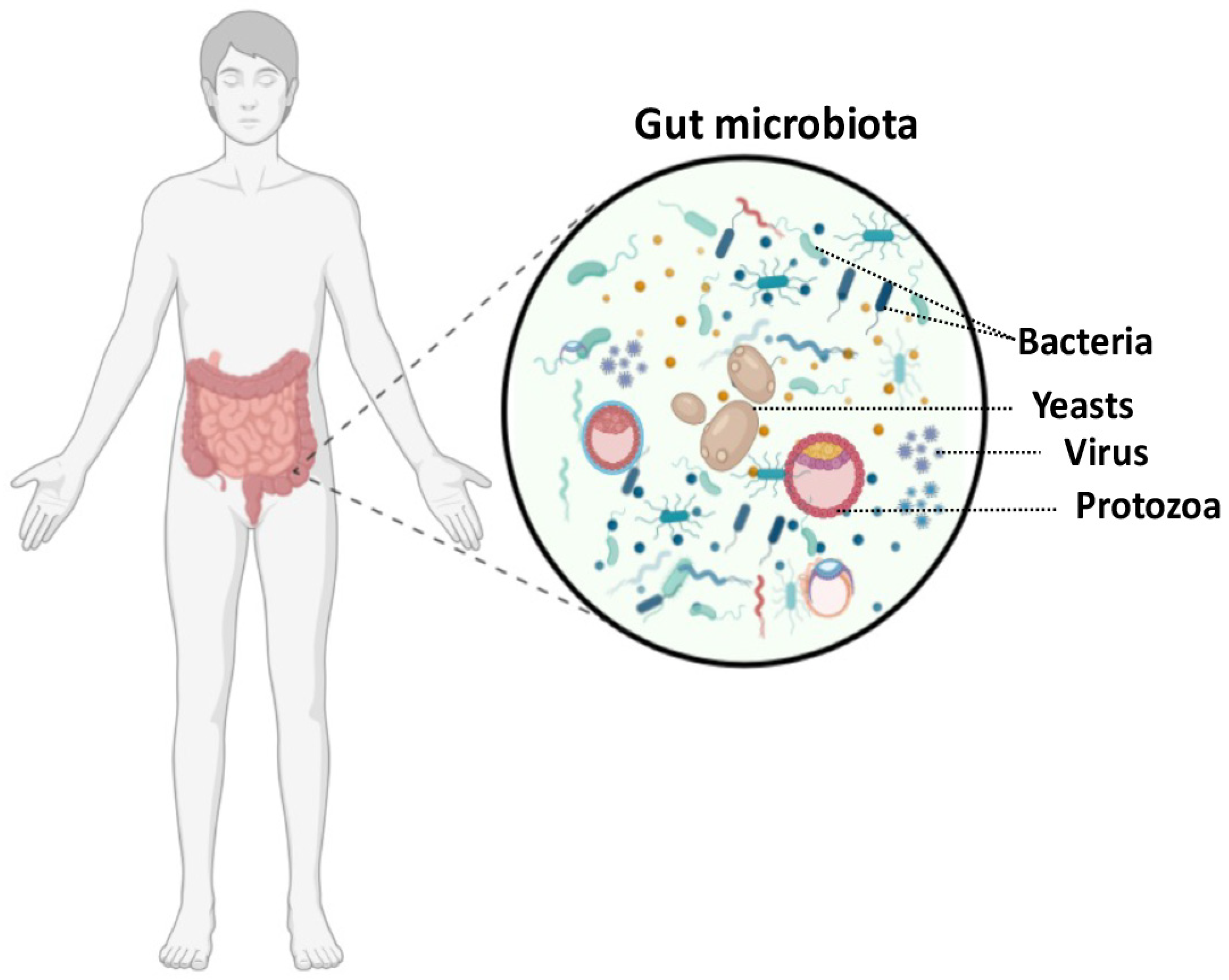
Scientists are studying tiny living organisms inside the human body called gut bacteria to understand how they help keep people healthy, making this a trending science and health news story. These helpful bacteria live mainly in the stomach and intestines, and experts say they play an important role in digestion, immunity, and even mood.
Gut bacteria are so small they can only be seen under a microscope, but there are billions of them living inside every person. Scientists explain that many of these bacteria are “good” and help break down food so the body can absorb nutrients like vitamins and minerals. Without these bacteria, digestion would not work properly.
Researchers have found that gut bacteria also help protect the body from harmful germs. Good bacteria compete with bad bacteria and help stop them from growing too much. This helps keep the immune system strong and reduces the chance of getting sick.
Studies also suggest that gut bacteria can affect how people feel emotionally. Scientists say the gut and the brain are connected through signals in the body. When gut bacteria are healthy, they may help support a good mood and reduce stress. This connection is sometimes called the “gut-brain link.”
For kids, this news matters because what they eat can affect their gut health. Foods like fruits, vegetables, yogurt, and whole grains help good bacteria grow. These foods contain fiber and nutrients that gut bacteria like. Eating too much junk food or sugary snacks can reduce the number of helpful bacteria.
Doctors say drinking enough water and being active also support gut health. Exercise helps food move through the body properly, giving gut bacteria a healthy environment. Getting enough sleep is important too, as rest helps the whole body, including digestion.
Schools are teaching students about digestion and healthy eating through science lessons and projects. Some classes learn how the stomach works or how food changes as it moves through the body. These lessons help children understand that health starts from the inside.
Parents and doctors remind families that not all bacteria are bad. While some germs cause illness, many bacteria are helpful and necessary. Learning the difference helps children understand why balance is important in the body.
Scientists continue to study gut bacteria to learn how they affect growth, immunity, and mental health. This research may help doctors find better ways to keep people healthy in the future.
The study of gut bacteria shows that even the smallest living things can have a big impact. By eating healthy foods and caring for their bodies, children can support their gut health and help their bodies stay strong, happy, and ready to learn every day.