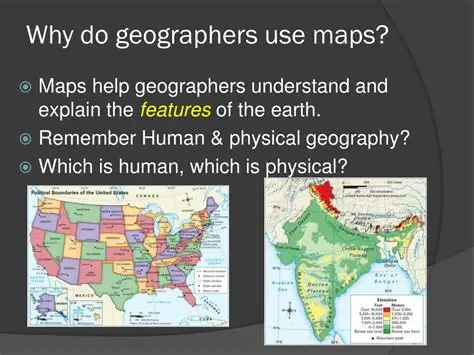
Geographers and teachers are studying how maps help people understand the world, making this a trending geography and learning news story for children. Maps may look like simple drawings, but experts say they are powerful tools that help people find places, travel safely, and learn about Earth.
Maps show information about places using symbols, colors, and shapes. Geographers explain that maps can show countries, cities, rivers, mountains, roads, and even weather patterns. By looking at a map, people can understand where places are and how far apart they are.
There are many different kinds of maps. Political maps show countries and borders, while physical maps show land features like mountains, deserts, and oceans. Some maps show climate, population, or wildlife. Scientists say each type of map helps answer different questions about the world.
Maps are very important for travel. Before going on a trip, people use maps to plan routes and understand directions. Today, digital maps on phones and computers help drivers, pilots, and ships reach their destinations safely. Geographers say even these modern maps are based on the same ideas as paper maps.
For kids, this news matters because maps help them learn about other places and cultures. Maps show where countries are located and help children understand that the world is made up of many different regions. Learning to read maps builds skills like problem-solving and observation.
Maps are also used in emergencies. During floods, earthquakes, or storms, maps help rescue teams find safe routes and locate people who need help. Scientists say maps can save lives by showing danger zones and safe areas.
Schools teach map skills through geography lessons and activities. Students learn how to read map keys, use directions like north and south, and understand scale. Some classes even create their own maps of classrooms, schools, or neighborhoods.
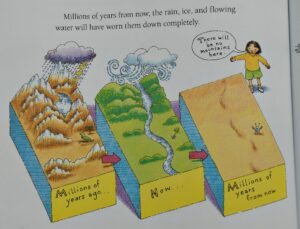
Geographers say maps help people understand how Earth is changing. Maps can show how cities grow, forests shrink, or rivers change course over time. This helps scientists protect the environment and plan for the future.
Parents and teachers encourage children to explore maps at home and school. Looking at a world map can inspire curiosity about different countries, languages, and landscapes. It can also spark interest in travel and learning.
Experts explain that even though technology has changed, maps remain an important part of daily life. Whether on paper or on a screen, maps help people make sense of the world around them.
The study of maps shows that understanding Earth starts with knowing where things are. By learning how to read and use maps, children gain skills that help them explore, learn, and feel confident about the world they live in.