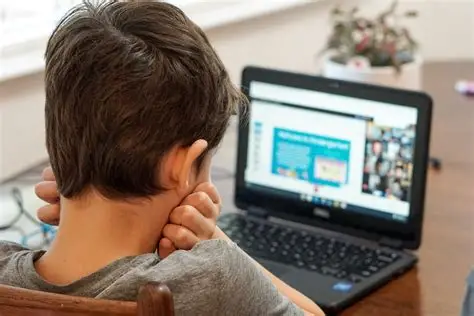
Teachers, education experts, and scientists are studying how online learning helps students learn from anywhere, making this a trending education and technology news story. Online learning uses the internet, computers, and tablets to deliver lessons, and experts say it has changed the way children access education around the world.
Online learning allows students to attend classes without being in a physical classroom. Lessons can be watched live or recorded, which means students can learn at their own pace. Scientists explain that this flexibility helps children who may need extra time to understand topics or who cannot attend school every day.
During recent years, online learning became more common as schools looked for new ways to continue education. Teachers learned how to use videos, digital worksheets, and interactive quizzes to keep students engaged. Education experts say these tools made learning more creative and accessible.
One big advantage of online learning is access. Students in remote villages or areas without many schools can still learn using the internet. Scientists say this helps reduce gaps in education and gives more children the chance to learn new skills and subjects.
Online learning also supports different learning styles. Some children learn better by watching videos, others by reading or doing activities. Digital lessons often include pictures, animations, and games that help explain difficult ideas in simple ways. This makes learning more fun and easier to understand.
For kids, this news matters because online learning gives them more choices. They can revisit lessons, pause videos, or explore topics they are curious about. Learning is no longer limited to textbooks alone. Children can learn coding, art, science, and even languages online.
However, experts say online learning also has challenges. Spending too much time on screens can cause eye strain and tiredness. Scientists recommend taking regular breaks, sitting properly, and balancing online learning with physical activity and outdoor play.
Teachers also remind families that learning works best when students have guidance. Parents and teachers help children stay organized, motivated, and focused during online classes. Clear schedules and quiet learning spaces make online learning more effective.
Schools are now using a mix of classroom teaching and online tools. This approach, called blended learning, combines the best of both methods. Students can learn in school while also using digital resources at home.
Scientists say technology will continue to shape education in the future. Virtual classrooms, educational apps, and interactive tools are expected to grow. Learning how to use technology responsibly is becoming an important skill.
Experts encourage children to see online learning as a helpful tool, not a replacement for teachers and friends. Real-life interactions, discussions, and play are still important for growing minds.
The study of online learning shows how education is evolving with technology. By using online tools wisely, children can learn anytime, anywhere, and develop skills that prepare them for the future while still enjoying the joys of school life.