Community planners, scientists, and environmental experts are studying how public parks help both people and nature, making this a trending environment and community news story. Public parks are open green spaces where families can play, relax, and enjoy nature, and experts say they are very important for healthy cities and towns.
Public parks provide safe places for children to play and exercise. Scientists explain that running, climbing, cycling, and playing games in parks help children stay active and strong. Regular outdoor activity supports physical health, improves balance, and builds strong muscles and bones.
Parks are also good for mental health. Spending time in green spaces helps reduce stress and anxiety. Researchers say that being around trees, grass, and flowers can make people feel calmer and happier. Children who spend time in parks often feel more relaxed and focused when they return to school.
Nature benefits from parks too. Trees and plants in parks help clean the air by absorbing pollution and releasing oxygen. Parks also provide homes for birds, insects, butterflies, and small animals. Scientists explain that even small green spaces can support wildlife, especially in busy cities.
Public parks help keep cities cooler. Concrete roads and buildings can trap heat, making cities warmer. Trees in parks provide shade and release moisture into the air, which lowers temperatures. This helps protect people during hot weather and reduces the need for air conditioning.
For kids, this news matters because parks are places for fun, friendship, and learning. Parks give children space to explore nature, play with friends, and enjoy fresh air. Playing outdoors also helps improve creativity and social skills.
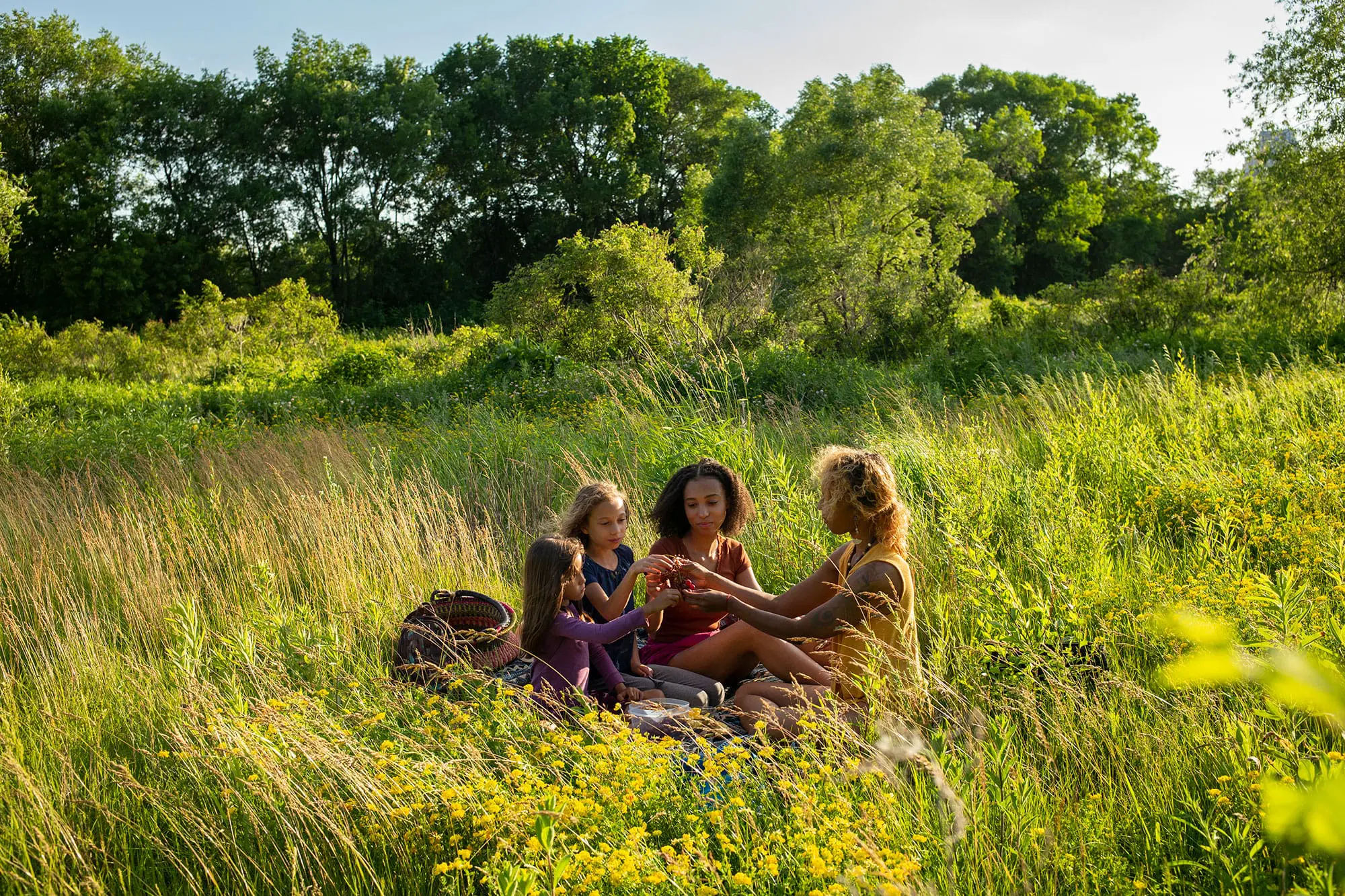
Parks bring communities together. Families gather for picnics, sports, festivals, and walks. Scientists say shared spaces help people feel connected and build stronger neighborhoods. Children learn to share space, follow rules, and respect others.
Many cities are working to create more parks and improve existing ones. Communities are planting trees, adding playgrounds, and building walking paths. Some parks now include gardens, outdoor classrooms, and fitness areas for people of all ages.
Schools often use parks for learning activities. Teachers take students on nature walks, science observations, or outdoor reading sessions. These experiences help children learn outside the classroom and develop curiosity about the natural world.
Experts say everyone can help protect parks by keeping them clean, respecting plants and animals, and following park rules. Simple actions like not littering and caring for shared spaces help parks stay beautiful and safe.
The study of public parks shows how green spaces improve daily life. By protecting and using parks responsibly, communities support health, happiness, and nature at the same time. Learning to value parks helps children understand the importance of shared spaces and encourages them to care for the environment and their communities in the future.