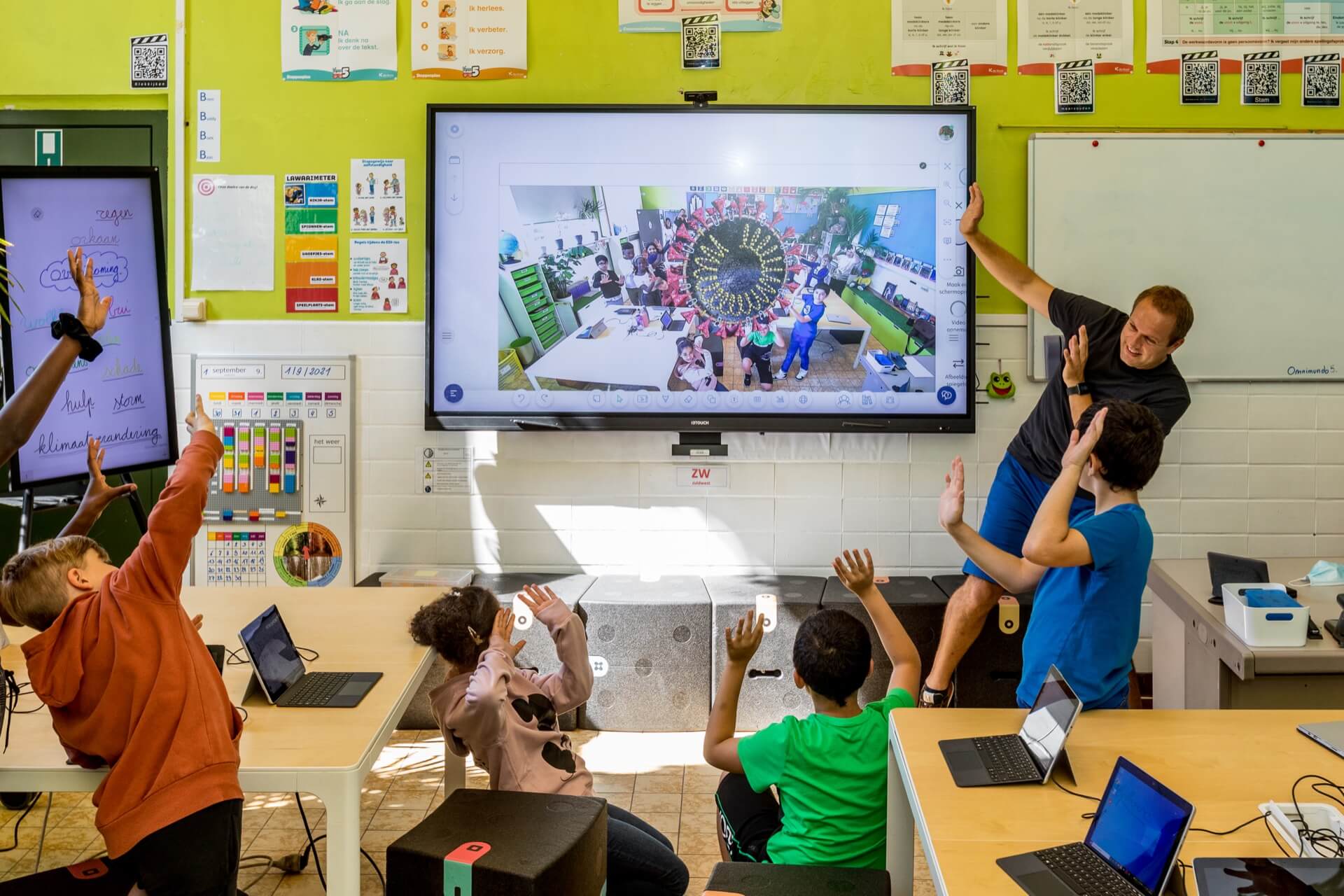
Teachers, education researchers, and technology experts are studying how learning with videos helps students understand lessons better, making this a trending education and technology news story. Educational videos are now widely used in schools and online platforms, and experts say they are changing how children learn complex topics.
Learning videos use pictures, animations, sounds, and explanations together. Scientists explain that when students both see and hear information, the brain can understand and remember it more easily. This is especially helpful for subjects like science, math, and geography, where diagrams and movement make ideas clearer.
Many teachers use short videos to introduce new lessons. For example, a science video can show how planets move, how plants grow, or how the human body works. Teachers say these videos help students imagine things that are difficult to see in real life, making learning more exciting.
Educational videos also support different learning speeds. Students can pause, rewind, or replay parts they do not understand. Experts say this gives children more control over their learning and helps reduce pressure in the classroom.
For kids, this news matters because videos make lessons more interesting and easier to follow. Instead of only reading from textbooks, students can watch stories, experiments, and demonstrations. This helps children stay focused and curious.
Videos are also helpful for revision. Before exams, students can rewatch lesson videos to refresh their memory. Teachers say this is useful for homework and self-study, especially when students need extra practice.
Another benefit is learning beyond the classroom. Children can watch educational videos at home, on school platforms, or during travel. Scientists say this flexibility helps students continue learning anytime and anywhere.
However, experts remind schools to balance video learning with other activities. Watching videos should be combined with discussions, writing, experiments, and hands-on practice. Scientists explain that active learning helps children think deeply and apply what they learn.
Teachers also guide students on choosing good-quality educational videos. Not all videos online are accurate or suitable. Schools teach students how to use trusted learning platforms and think critically about information.
Parents are encouraged to watch learning videos with children and talk about what they learn. Asking questions and discussing ideas helps children understand topics better and builds communication skills.
Technology companies are improving educational videos with interactive features. Some videos include quizzes, questions, or activities that students can complete while watching. Experts say this keeps students engaged and active.
Researchers say educational videos are especially helpful for visual learners. Children who struggle with long texts may find videos easier to understand. This makes learning more inclusive and supportive.
Teachers believe videos will continue to play an important role in education, but they will not replace teachers. Human guidance, encouragement, and discussion are still essential parts of learning.
The study of learning with videos shows how technology can support education in simple and effective ways. By using videos wisely, students can understand lessons better, stay curious, and enjoy learning. Educational videos help bring subjects to life and make knowledge easier to explore in today’s digital classrooms.