Schools, teachers, and technology experts are discovering how learning robotics is helping children think like engineers, making this a trending education and technology news story. Robotics combines science, coding, and creativity, and experts say it is becoming an exciting way for students to learn problem-solving and teamwork skills.
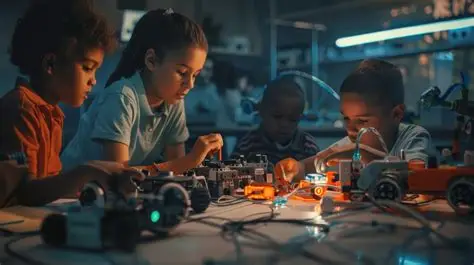
Robotics involves building and programming machines that can move, sense, and respond to commands. In classrooms, students often work with small robot kits made of motors, sensors, and blocks. Scientists explain that when children build robots, they learn how different parts work together to complete a task.
Many schools have started robotics classes or clubs. Students might program a robot to follow a line, avoid obstacles, or pick up objects. Teachers say these activities help children understand complex ideas like logic, cause and effect, and sequencing in a fun and hands-on way.
Robotics encourages learning by doing. Instead of only reading instructions, students test ideas and see results right away. If a robot does not work as expected, children try again and fix their mistakes. Experts say this teaches patience, resilience, and confidence.
For kids, this news matters because robotics makes learning exciting and interactive. Building a robot feels like playing, but it also teaches important skills. Children learn that mistakes are part of learning and that trying new ideas can lead to success.
Robotics also supports teamwork. Many projects are done in groups, where students share ideas and solve problems together. Scientists say this helps children develop communication skills and learn how to listen to others. Teamwork is an important skill for both school and future jobs.
Teachers explain that robotics connects to many subjects. Math is used to measure distances and angles, science helps explain movement and energy, and coding tells the robot what to do. This shows students how different subjects work together in real life.
Robotics can also help children become creative thinkers. Students are encouraged to design robots that solve real-world problems, such as cleaning rooms, helping farmers, or assisting people. Experts say this helps children think about how technology can help society.
Parents are supporting robotics learning at home by encouraging curiosity and exploration. Some families use simple robot toys or apps that teach basic coding. Scientists say asking questions and experimenting are key parts of learning robotics.
Schools are careful to balance robotics with other activities. Teachers remind students that reading, writing, outdoor play, and art are also important. Robotics is one part of a well-rounded education.
Technology experts believe robotics education will continue to grow as machines become more common in daily life. Robots are already used in hospitals, factories, and space exploration. Learning about robotics early helps children understand the technology shaping the future.
The study of robotics in education shows how technology can inspire learning. By building and programming robots, children learn to think logically, work together, and solve problems creatively. Robotics helps students become confident learners who are ready to explore science, technology, and innovation in the years ahead.