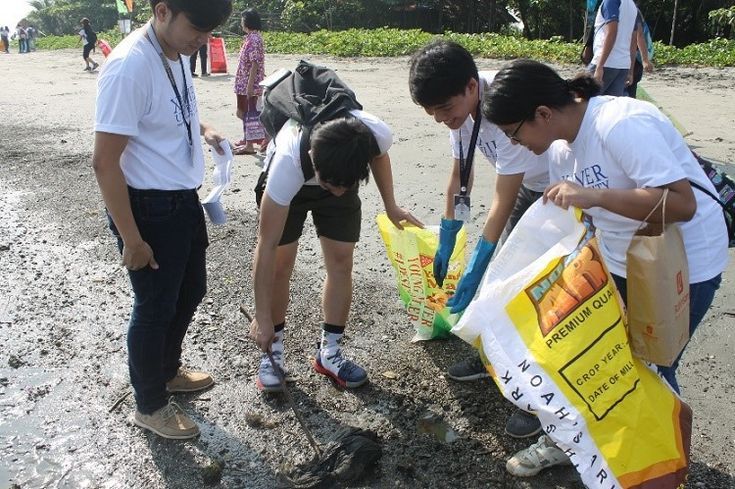
Community leaders, teachers, and volunteers are encouraging children to take part in clean-up drives, making this a meaningful community and environment news story. Clean-up drives are activities where people work together to collect litter from parks, roads, beaches, and neighborhoods to keep surroundings clean and healthy.
During clean-up drives, children wear gloves and collect plastic, paper, and other waste from public places. Experts explain that these activities help remove harmful trash that can pollute land and water. When waste is collected and disposed of properly, the environment becomes safer for people, animals, and plants.
Clean-up drives also teach children responsibility. Scientists say that when children help clean their surroundings, they understand that keeping places clean is everyone’s duty, not just the job of cleaners or authorities. This lesson helps build good habits from a young age.
For kids, this news matters because clean surroundings directly affect daily life. Clean parks are safer to play in, clean roads reduce illness, and clean water sources protect health. Taking part in clean-up drives helps children feel proud that they are helping their community.
Schools often organize clean-up drives as part of environmental education. Teachers guide students on how to separate waste, such as plastic, paper, and organic waste. These lessons help children learn about recycling and waste management in a practical way.
Parents and community members sometimes join these activities, turning clean-up drives into family events. Experts say working together strengthens community bonds and teaches teamwork. Children learn that when people cooperate, big tasks become easier.
Clean-up drives also help protect animals. Trash left on the ground can harm birds, stray animals, and insects. Scientists explain that plastic and sharp objects can cause injuries or illness. Removing waste helps keep animals safe.
Environmental experts remind children to stay safe during clean-up activities. Wearing gloves, avoiding sharp objects, and washing hands afterward are important rules. Safety helps make the activity healthy and enjoyable.
Communities around the world are using clean-up drives to spread awareness about pollution. Posters, talks, and activities remind people not to litter and to reduce waste. Children often become messengers of cleanliness by reminding others to throw trash in bins.
Clean-up drives also help children understand the impact of waste on the planet. Seeing how much trash is collected helps them realize why reducing plastic use and recycling are important.
Experts say clean-up drives are not just one-day events. The real goal is to encourage daily cleanliness habits, such as using bins and avoiding littering.
The study of community clean-up efforts shows that small actions can create big change. By taking part in clean-up drives, children learn care, responsibility, and teamwork. These activities help build cleaner neighborhoods and teach children that protecting the environment starts with simple actions taken together.