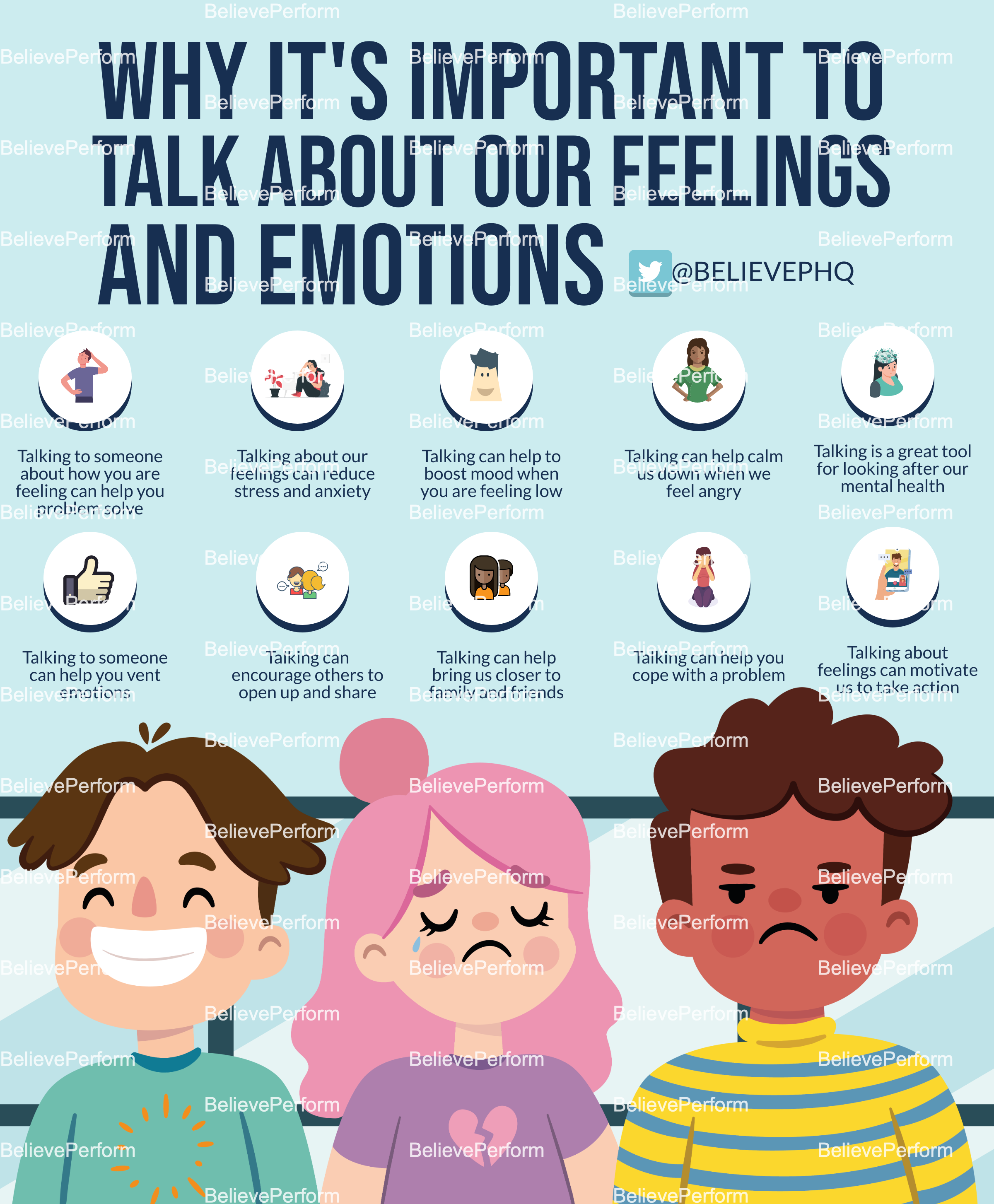
Psychologists and child development experts are explaining why talking about feelings is important for children, making this a key health and mental wellbeing news story. Emotions such as happiness, anger, sadness, and excitement are natural, and experts say expressing them in healthy ways supports overall growth.
Children experience many emotions every day. Scientists explain that feelings are signals that help people understand their experiences. For example, feeling nervous before a test may show that something feels important. Talking about these emotions helps children understand themselves better.
Experts say when children share their feelings with parents, teachers, or trusted adults, they feel supported. Open communication reduces stress and prevents emotions from building up inside. This helps children stay calm and confident.
For kids, this news matters because emotional health affects school performance and friendships. Children who understand their emotions can solve conflicts more peacefully and build stronger relationships.
Psychologists encourage simple strategies such as naming emotions. Saying “I feel upset” instead of acting out helps others understand what is happening. Breathing exercises and quiet time can also help children manage strong feelings.
Schools are introducing emotional learning programs. Teachers guide students through activities that promote empathy, kindness, and listening skills. These lessons help create positive classroom environments.
Parents play a big role in supporting emotional health. Listening without judgment and offering reassurance builds trust. Experts say children who feel heard are more likely to share openly.
Mental wellbeing also includes taking care of physical health. Getting enough sleep, eating balanced meals, and exercising regularly support emotional balance.
Technology can sometimes affect emotions. Experts recommend balancing screen time with face-to-face conversations and outdoor play.
Psychologists remind children that it is normal to feel different emotions. There is no “wrong” feeling, but there are healthy ways to express them.
Researchers continue studying how emotional intelligence affects long-term success. Studies show that children who develop strong emotional skills often perform better academically and socially.
The focus on mental wellbeing highlights the importance of caring for both mind and body. By learning to talk about feelings, children develop confidence and resilience.
Understanding emotions helps children grow into thoughtful and caring individuals. Talking about feelings is not a sign of weakness—it is a strength that builds healthy relationships and supports lifelong wellbeing.