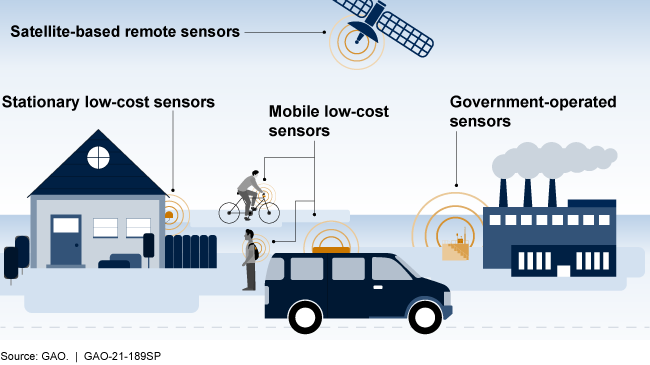
Scientists and environmental engineers are installing smart air quality sensors in cities to monitor pollution levels in real time, making this an important technology and environmental monitoring news story. These advanced devices help track harmful pollutants and provide instant data to authorities and the public.
Air pollution is caused by vehicle exhaust, factory emissions, construction dust, and burning fuels. Experts explain that tiny particles and harmful gases in polluted air can affect breathing and overall health.
Smart air quality sensors are small devices placed on streetlights, buildings, and traffic signals. They measure pollutants such as carbon monoxide, nitrogen dioxide, and particulate matter. The data collected is sent to online systems where it can be viewed instantly.
For children, this news matters because clean air supports healthy growth. Real-time monitoring helps authorities take quick action when pollution levels rise.
Some cities use mobile apps to inform residents about daily air quality levels. This helps families plan outdoor activities safely.
Engineers design these sensors to be weather-resistant and energy-efficient. Some are powered by solar panels to reduce electricity use.
Scientists say that collecting accurate data helps identify pollution hotspots and improve city planning.
Schools often include lessons about environmental science and air quality awareness.
Governments are investing in smart monitoring systems as part of clean city initiatives.
Experts emphasize that monitoring pollution is only one step. Reducing emissions through cleaner transportation and renewable energy is equally important.
Researchers continue improving sensor accuracy and expanding coverage to more neighborhoods.
The use of smart sensors demonstrates how technology supports environmental protection.
Learning about air quality monitoring teaches children the importance of science in public health.
By combining data, awareness, and action, cities aim to create cleaner and safer environments for future generations.