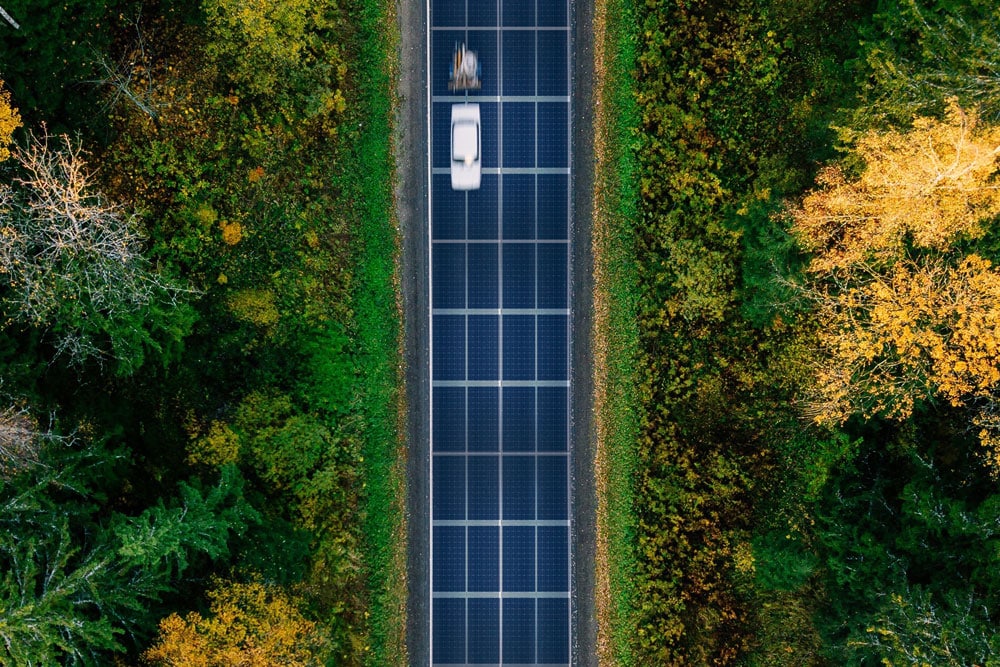
Scientists and engineers are developing solar roads that can generate electricity from sunlight, making this an exciting science and renewable energy news story. These special road surfaces contain solar panels that capture sunlight and convert it into clean electricity.
Solar roads are built using strong, transparent materials that protect solar cells placed underneath. Experts explain that these panels collect sunlight during the day and convert it into electrical energy, which can be used to power streetlights, traffic signals, and nearby buildings.
Unlike traditional solar panels placed on rooftops, solar roads use existing road space to produce renewable energy. This makes them especially useful in cities where space is limited.
For children, this news matters because renewable energy helps reduce pollution and protect the environment. Using sunlight to generate electricity lowers dependence on fossil fuels.
Engineers design solar roads to be durable and weather-resistant. The surface is textured to prevent slipping and ensure safe driving conditions.
Some solar roads include LED lighting that can display lane markings and warning signs at night or during bad weather.
Researchers are testing pilot projects in parking lots, cycling paths, and low-traffic roads to evaluate performance.
Experts say solar roads could help power electric vehicle charging stations in the future.
Schools often teach students about solar energy and sustainable infrastructure.
Environmental scientists emphasize that renewable energy solutions are essential for reducing greenhouse gas emissions.
Researchers continue improving efficiency and cost-effectiveness to make solar roads more practical.
The development of solar roads shows how innovation can transform everyday infrastructure into energy sources.
Learning about renewable technologies teaches children the importance of sustainability and creative problem-solving.
By turning roads into power generators, scientists are exploring new ways to create clean energy and build smarter, greener cities for the future.