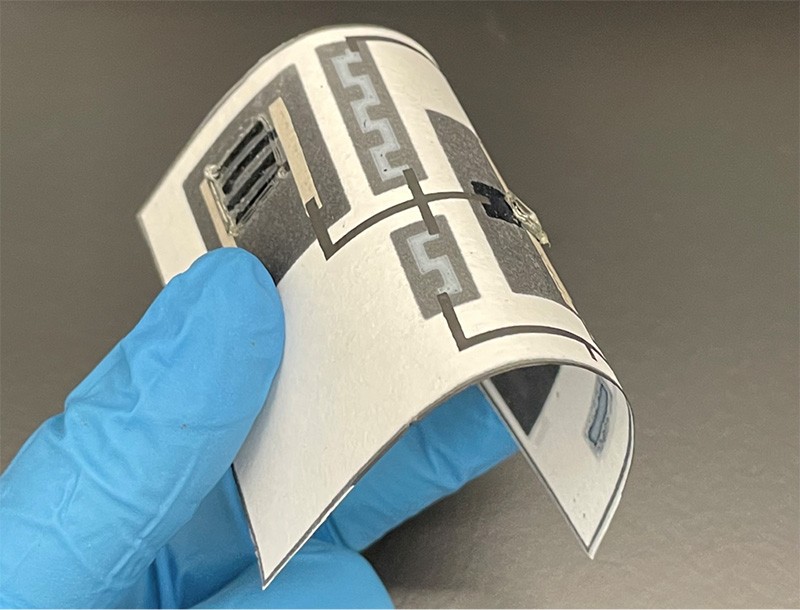
Scientists and engineers are developing paper-based electronics that can reduce electronic waste, making this an important science and green innovation news story. These new devices use special conductive materials printed onto paper instead of traditional plastic and metal components.
Electronic waste, or e-waste, is growing rapidly as people replace gadgets such as phones, batteries, and sensors. Experts explain that many electronic components contain non-biodegradable materials that harm the environment when discarded.
Paper-based electronics are made by printing electronic circuits onto biodegradable paper using eco-friendly conductive inks. These circuits can perform simple electronic functions such as sensing temperature, monitoring humidity, or powering small devices.
For children, this news matters because reducing e-waste helps protect the environment. Eco-friendly electronics can prevent pollution and conserve natural resources.
Researchers say paper electronics can be used in smart packaging, medical test strips, and environmental sensors. Since they are biodegradable, they can safely decompose after use.
Engineers are designing these devices to be lightweight, flexible, and low-cost. This makes them ideal for disposable or short-term applications.
Some paper-based sensors are already being used to monitor food freshness by detecting changes in temperature or humidity.
Environmental experts emphasize that biodegradable electronics could significantly reduce landfill waste.
Schools often teach students about recycling and sustainable technology to raise environmental awareness.
Researchers continue improving durability and conductivity to expand practical uses.
Governments and environmental organizations are encouraging innovation to reduce electronic waste.
The development of paper-based electronics demonstrates how science can make technology more sustainable.
Learning about eco-friendly electronics teaches children the importance of responsible innovation.
By replacing plastic and metal components with biodegradable paper materials, scientists are working toward a cleaner and more sustainable future in electronics.