
Two New Blind Fish Discovered in Assam Wells
Researchers have discovered two fascinating new species of blind underground fish swimming in dark village wells in Goalpara, Assam.
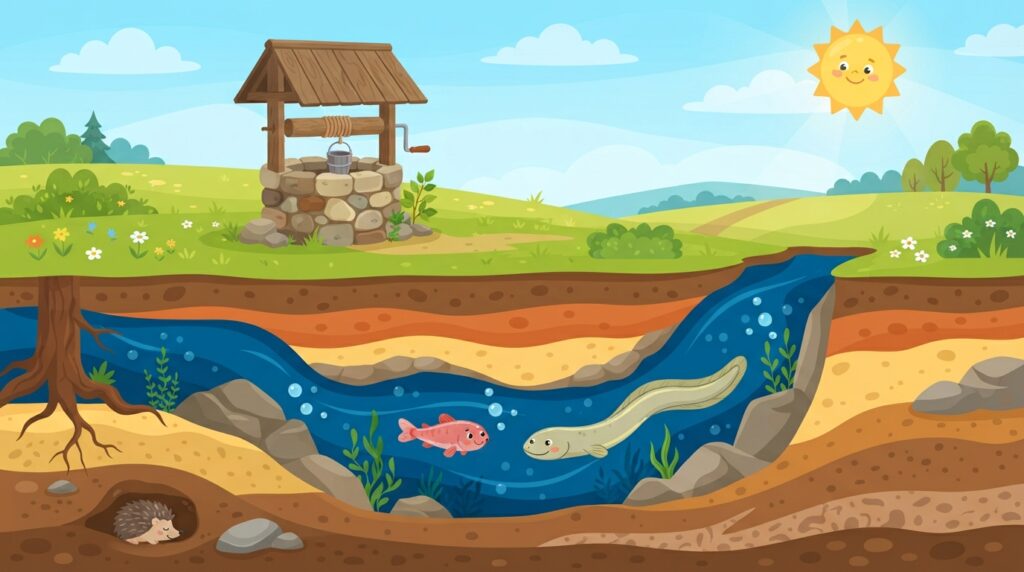
Imagine looking down into a deep village well and spotting a mysterious animal swimming in the dark water. On 21 October 2026, Assam Environment and Forests Minister Jayanta Malla Baruah shared the exciting news that scientists have discovered two brand-new species of blind fish in Assam. These unusual animals live hidden away in subterranean groundwater aquifers in Goalpara district.
Subterranean means existing completely beneath the surface of the earth. These underground swimmers have spent countless generations surviving in total darkness, tucked away from sunlight and human eyes until very recently.
What happened?
The remarkable story started when researcher Wimarithy K. Marak noticed strange, pinkish creatures swimming in neighbourhood dug-out wells. She took photographs of the tiny swimmers and shared them with her research supervisor. Later, in May 2024, another specimen was discovered while one of her relatives was draining and cleaning a village well.
To study the creatures, Indian researchers Kangjam Velentina and Yumnam Lokeshwor worked with international taxonomist Ralf Britz from the Senckenberg Natural History Collections in Germany. Together, they confirmed that these animals were two completely new species that had never been documented before.
The first species is named Gitchak nakana. It is a miniature, eyeless loach that measures only about 2 centimetres in length, which is less than 1 inch! Because it lives in pitch-black water, it has no skin colour at all. Its clear body reveals its blood vessels and organs, giving it a striking blood-red appearance.
The second species is called Rakthamichthys anchi. This slender, blind, transparent creature belongs to the swamp eel family, known as Synbranchidae. The collected holotype specimen measured around 310 millimetres in length.
Because the delicate bodies of these fish are so fragile, researchers examined their internal bone structures using micro-computed tomography (micro-CT) 3D X-ray scanning technology. To protect the species from being collected or disturbed, the scientists kept the exact village locations of the wells secret.
Why does it matter to you?
This exciting find reminds us that nature holds astonishing secrets right in our own backyards! You do not need to journey to deep oceans to find creatures that look like they came from another planet.
The discovery also teaches us why clean habits on the surface matter so much. Scientists and forest officials explained that surface pollution can easily seep deep into underground aquifers. Keeping our soil, neighbourhood wells, and village surroundings clean protects our drinking water and keeps these delicate subterranean animals safe.
Words to know
- Subterranean: Located, living, or operating completely beneath the surface of the earth.
- Aquifer: A natural underground layer of rock or sand that holds groundwater.
- Pigment: The natural colouring substance found in the skin, scales, or tissues of animals and plants.
- Micro-CT scan: A 3D X-ray imaging method that lets scientists look inside tiny objects without cutting them open.
- Holotype: A single physical specimen used by researchers as the official example to describe a new species.
Did you know?
Because subterranean fish spend their whole lives in dark underground waters where sunlight never reaches, they do not need eyes or colourful skin to thrive!
Think about it
Since waste on the ground can seep into deep underground aquifers, what simple actions can you take at school or home to keep our water sources clean?
Quick quiz
Which technology did researchers use to examine the internal skeletons of the new fish?
- Micro-CT 3D X-ray scanning
- Satellite radar mapping
- Underwater sonar beams
See the answer
Micro-CT 3D X-ray scanning
Sources
This story was prepared by the Kids Gazette news desk with the help of AI research and writing tools, using the sources listed above.