Scientists and environmental experts are explaining how composting turns waste into useful soil, making this an important science and environment news story for children. Composting is a natural process where food scraps and plant waste break down to form rich soil called compost.
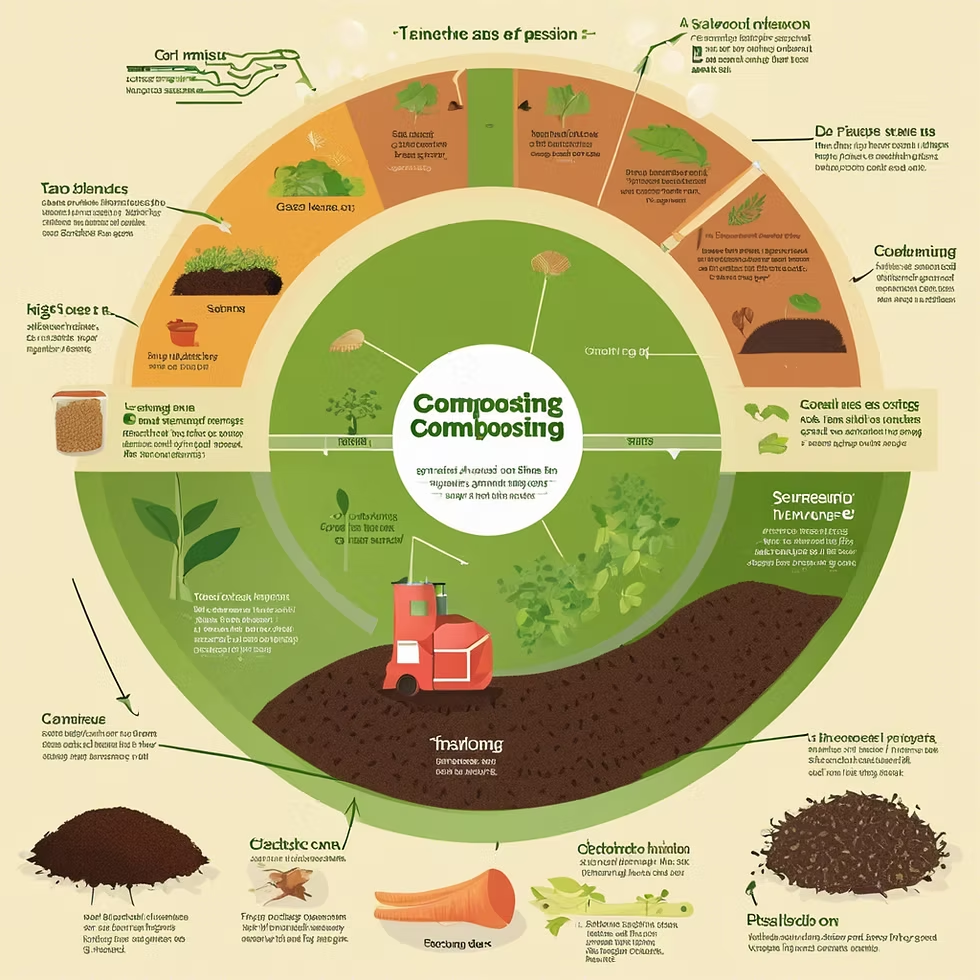
Composting happens when tiny living organisms, like bacteria and worms, break down organic waste. Scientists explain that fruit peels, vegetable scraps, dry leaves, and grass clippings can all be composted. Over time, these materials turn into dark, nutrient-rich soil that helps plants grow.
Unlike plastic or metal, organic waste can decompose naturally. Experts say that when food waste is thrown into landfills, it can create harmful gases. Composting reduces this waste and helps protect the environment.
For kids, this news matters because composting is something they can practice at home or school. Starting a small compost bin teaches responsibility and helps children understand how nature recycles materials.
Compost improves soil health. Scientists explain that compost adds nutrients to the soil, making it better for growing fruits, vegetables, and flowers. Healthy soil holds water better and supports plant growth.
Schools often create compost pits or bins as part of environmental education. Students collect fruit peels from lunch and dry leaves from the playground. Watching waste turn into soil helps children learn about the natural cycle of life.
Experts remind children that not all waste should go into compost. Items like plastic, glass, or metal cannot break down naturally and should be recycled instead. Only organic materials are suitable for composting.
Composting also reduces pollution. By keeping food waste out of landfills, fewer harmful gases are released into the air. Scientists say this helps fight climate change and keeps communities cleaner.
Parents can support composting at home by separating kitchen waste and using compost in gardens or potted plants. Experts say even small compost bins can make a difference.
Environmentalists explain that composting teaches children about sustainability. It shows how waste can become a resource instead of a problem.
Scientists continue to study better composting methods to make the process faster and more efficient. Communities are building composting centers to manage organic waste responsibly.
The study of composting shows how nature reuses everything. By turning waste into useful soil, composting supports plant growth and reduces pollution. Learning about composting helps children understand that caring for the Earth can begin with simple actions taken at home and school.