Geographers and Earth scientists are explaining how mountains are formed over millions of years, making this an exciting nature and geography news story for children. Mountains may look strong and still, but experts say they are the result of powerful movements deep inside the Earth.
Mountains are formed mainly by the movement of tectonic plates. Scientists explain that the Earth’s surface is divided into large sections called plates. These plates slowly move over time. When two plates push against each other, the land can rise upward, forming mountains.
One common way mountains form is through plate collision. When continental plates collide, they push the land upward. Over millions of years, this pressure creates tall mountain ranges. Some of the world’s highest mountains were formed in this way.
Volcanic activity can also create mountains. When magma rises from beneath the Earth and erupts, lava cools and hardens. Over time, repeated eruptions build up layers of rock, forming volcanic mountains.
For children, this news matters because mountains affect weather, wildlife, and human life. Mountains can block winds, causing rainfall on one side and dry conditions on the other. They also provide habitats for many plants and animals.
Mountains are important sources of rivers. Snow and ice that collect on mountain peaks melt and flow downward, providing fresh water to communities. Scientists say many major rivers begin in mountainous regions.
Mountains also attract tourists and adventurers. People visit mountains for hiking, skiing, and sightseeing. Experts explain that tourism can help local economies but must be managed carefully to protect nature.
Geologists study rocks and fossils found in mountains to learn about Earth’s history. Layers of rock reveal information about past climates and life forms.
Schools teach children about mountain formation through maps and models. These lessons help students understand how slow geological processes shape the planet.
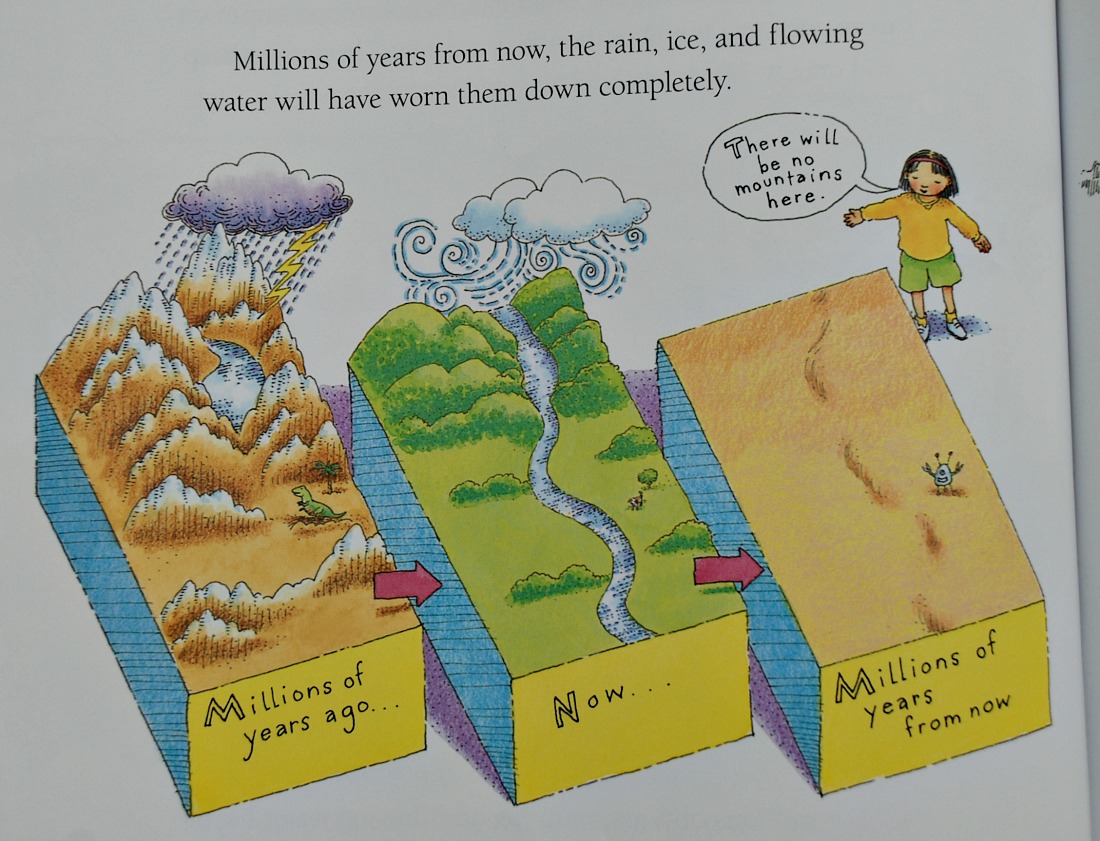
Mountains continue to change over time. Wind, rain, and ice slowly wear them down in a process called erosion. Even though mountains seem permanent, they are constantly being shaped by nature.
Scientists continue researching how mountain ranges affect climate patterns and biodiversity. Understanding mountains helps communities prepare for natural events like landslides or avalanches.
The study of mountain formation shows that Earth is always changing. By learning how mountains are created, children gain a deeper understanding of geography and natural processes. Mountains remind us of the powerful forces beneath our feet and the beauty of the natural world shaped over millions of years.