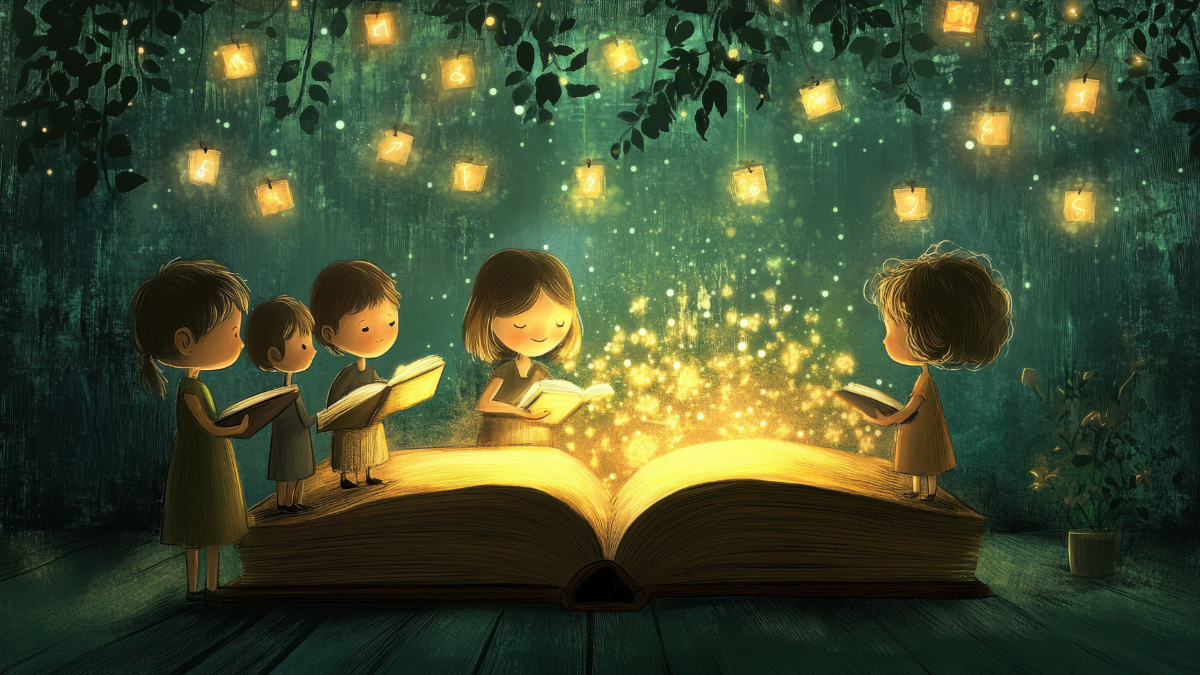
A magical adventure from South Korea is lighting up theatres around the world. The animated film Luna and the Star Keepers has become an international phenomenon, earning over $300 million globally and topping charts in Asia, Europe, and even parts of North America. Critics call it one of the most heartfelt animated films since Encanto—and children everywhere can’t stop talking about it.
The movie follows Luna, a brave little girl who lives in a world where stars are vanishing one by one. Along with her robot friend Kibo, she sets out to restore the sky’s light before her planet falls into eternal night. The plot sounds simple, but it carries a message far beyond fantasy: a reminder that courage and kindness can shine even in the darkest times.
Directed by Han Soo-jin, the film is the first South Korean animation to cross such massive international box-office numbers. It has already surpassed local hits like Pororo the Penguin and globalized Korean animation in a way never seen before. Released in both Korean and English, Luna and the Star Keepers became a streaming favorite on major platforms within weeks of its cinema debut.
What makes this movie so special is its emotional honesty. The animation is stunning—vivid galaxies, glowing creatures, and star-filled skies that look painted by hand—but what really connects with children is the heart of Luna herself. She isn’t a superhero or princess. She’s a curious, ordinary girl who learns that even small acts—like fixing a broken lantern or comforting a friend—can restore hope.
Parents and teachers around the world have praised the film’s themes. Many schools are using it to teach about teamwork, resilience, and the importance of environmental care. In one scene, Luna discovers that the stars fade because her world has forgotten to look up—to care for the skies. It’s a powerful visual metaphor for how humans sometimes ignore nature until it disappears.
Film critics describe Luna and the Star Keepers as a blend of art and emotion. Its hand-drawn animation style recalls Studio Ghibli classics, while its story structure echoes Pixar’s emotional depth. Yet the film remains proudly Korean in spirit, weaving in local folklore about celestial guardians and ancient sky lanterns. Composer Yun Da-min’s gentle piano score adds to the dreamlike tone, and children worldwide are humming its main theme, “Shine Again.”
The movie’s rise reflects the growing global influence of South Korean storytelling. After the success of Parasite, Squid Game, and Extraordinary Attorney Woo, the country has now proven it can also lead in animated cinema. “Korean animation used to focus on local markets,” says film historian Dr. Min-ho Lee. “This movie changed that. It showed the world that emotional truth travels across language and culture.”
Young audiences have turned Luna into more than a film—it’s a cultural moment. Fan art, cosplay, and song covers fill social media. The hashtag #LunaAndTheStars has reached millions of views on TikTok, with kids posting their favorite scenes and even performing the film’s lullaby. The production team responded by releasing drawing tutorials and behind-the-scenes videos, making it a participatory experience for fans.
Interestingly, the film’s screenwriter, Kim Ae-ra, based the story on her daughter’s bedtime question: “Who lights up the stars when they go out?” That innocent curiosity became the movie’s central idea. “Children ask the best questions,” Kim said in an interview. “They see the world with wonder, not worry. I wanted this film to protect that sense of wonder.”
Teachers in India, Singapore, and the Philippines have started using clips from Luna in storytelling and art workshops. In one Delhi school, fifth graders created their own “Star Keeper” comics after watching it. Their teacher, Ms. Divya Rao, says the film sparked more imagination than any worksheet could. “It made them talk about hope, pollution, and friendship—all at once,” she said.
The film’s impact also extends to its environmental message. Luna’s planet dims because people stop caring for the night sky, mirroring real issues like light pollution and environmental neglect. NGOs have partnered with the movie’s studio, Blue Arc Animation, to run “Keep the Sky Bright” campaigns in schools, encouraging children to plant trees and reduce waste.
Despite its success, the film avoids moral preaching. Its strength lies in simplicity—telling big truths through small feelings. “We wanted children to understand that they are not powerless,” said director Han Soo-jin. “Every time you show kindness, you make the world a little brighter. Every act of care lights a star.”
The movie’s success also signals a change in what global audiences want. It proves that non-Western stories can win hearts without copying Western formulas. Korean cultural identity shines in every scene—from Luna’s traditional hanbok-inspired costume to the folk motifs etched into the stars. Children from Los Angeles to Lucknow may not know the legends behind them, but they connect emotionally all the same.
Streaming platforms have already announced dubbed versions in ten more languages, including Hindi, Tamil, Spanish, and Arabic. Indian distributors plan a special theatrical release in select cities during the winter holidays. The excitement among children is high—many have already seen trailers online and are eager to experience it on the big screen.
What makes Luna and the Star Keepers so memorable is its rare mix of wonder and wisdom. It doesn’t tell children what to think—it invites them to imagine. It doesn’t hide sadness, but it never gives up on joy. It reminds kids everywhere that imagination is a light no darkness can erase.
As one young viewer from Seoul said after the premiere, “I want to be a Star Keeper too.” Maybe that’s the true power of stories like Luna: they don’t end when the credits roll. They keep glowing in children’s minds, reminding the world that even in uncertain times, wonder still wins.