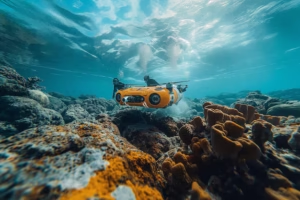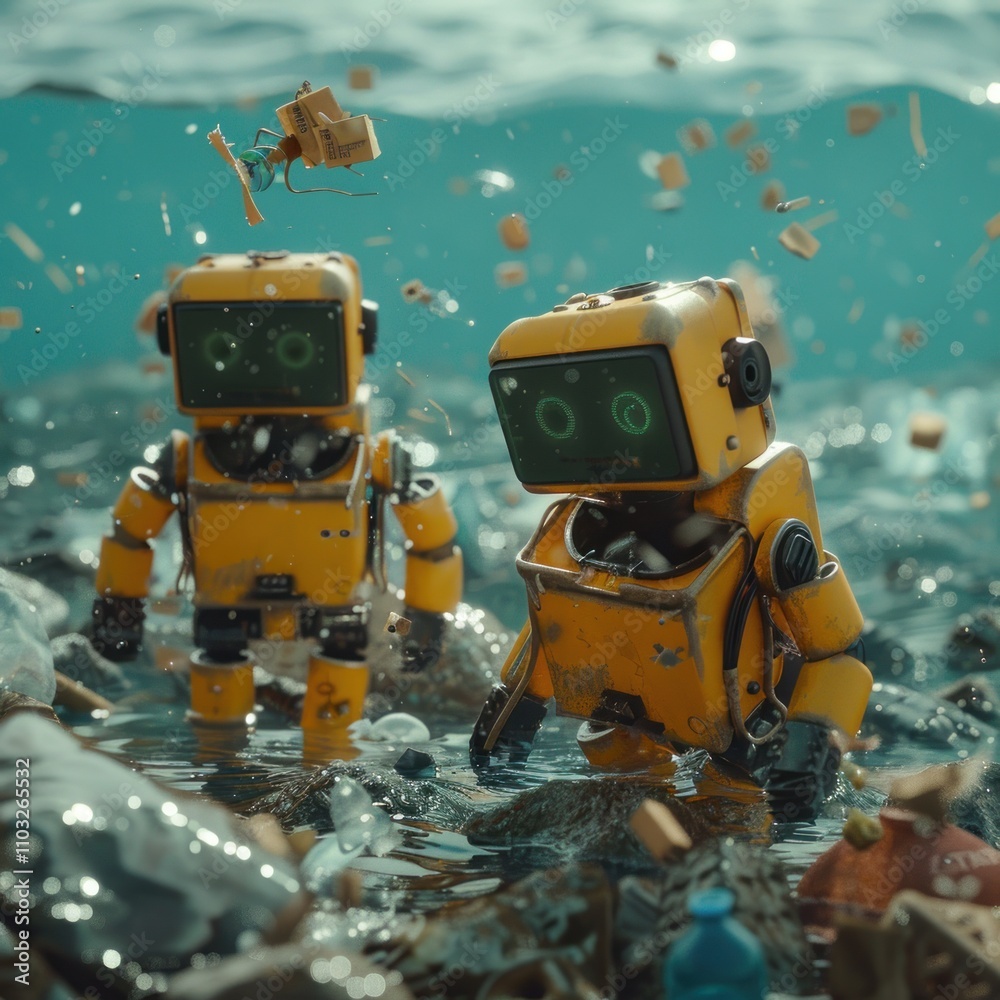
Scientists and marine engineers are developing ocean cleanup robots to remove plastic waste from seas and rivers, making this an important science and environmental innovation news story. These robotic systems are designed to collect floating trash before it harms marine life or sinks to the ocean floor.
Plastic pollution is one of the biggest threats to oceans today. Experts explain that millions of tons of plastic enter waterways every year from littering, poor waste management, and stormwater runoff. Over time, this plastic breaks into tiny pieces called microplastics, which can harm fish, birds, and other sea creatures.
Ocean cleanup robots float on the water’s surface and use nets, conveyor belts, or suction systems to gather waste. Some robots operate using solar power, making them energy-efficient and environmentally friendly.
For children, this news matters because oceans provide food, oxygen, and habitats for marine animals. Protecting oceans helps protect life on Earth.
Engineers are designing robots that can detect and avoid marine animals to ensure safe operation. Sensors and cameras help identify waste and navigate through water.
Some robotic systems are placed in rivers to collect trash before it reaches the ocean. This approach helps stop pollution at its source.
Environmental organizations and research teams are testing these robots in polluted waterways around the world.
Experts say cleanup technology must be combined with reducing plastic use and improving recycling systems.
Schools often teach students about ocean conservation and the importance of reducing plastic waste.
Researchers continue improving robot efficiency and storage capacity.
Governments and environmental groups support innovative solutions to protect marine ecosystems.
The development of ocean cleanup robots shows how technology can help solve environmental challenges.
Learning about ocean conservation teaches children the importance of protecting marine life and natural resources.
By using smart robots to remove plastic waste, scientists are working toward cleaner oceans and a healthier planet for future generations.