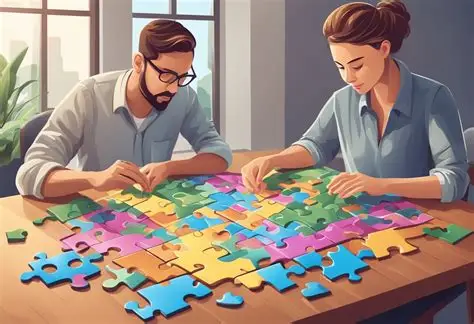
Education experts say solving puzzles and brain teasers helps students develop strong thinking and problem-solving skills, making this an important problem solving and student development news story. Activities like puzzles challenge the brain and encourage children to think carefully and logically.
Puzzles come in many forms, including jigsaw puzzles, crosswords, number puzzles, logic games, and riddles. Experts explain that solving puzzles helps students recognize patterns, improve memory, and strengthen reasoning abilities.
When students work on puzzles, they learn to analyze problems step by step. They try different solutions, learn from mistakes, and keep trying until they succeed.
For students, this news matters because problem-solving skills are useful in school subjects such as mathematics, science, and reading comprehension.
Puzzles help improve concentration and patience. Completing a challenging puzzle teaches children to stay focused and not give up easily.
Experts say brain games strengthen memory by encouraging the brain to store and recall information.
Logic puzzles improve reasoning skills by helping students understand cause and effect relationships.
Working on puzzles with friends or family promotes teamwork and communication.
Teachers sometimes use puzzles in classrooms to make learning fun and interactive.
Digital puzzle apps and educational games can also help develop thinking skills when used in moderation.
Parents are encouraged to provide age-appropriate puzzles to challenge children’s thinking.
Experts emphasize that puzzles should be enjoyable and not stressful.
Solving puzzles regularly can increase confidence as children experience the satisfaction of finding solutions.
Scientists say brain challenges help create new connections between brain cells, improving cognitive development.
Students who practice problem-solving become more creative and better prepared to handle real-life challenges.
Learning through puzzles teaches children persistence, logical thinking, and creativity.
By solving puzzles and brain teasers, students can strengthen their minds, improve focus, and develop problem-solving skills that support success in school and everyday life.