Learning digital citizenship is an important life skill that helps students use technology responsibly and safely. Digital citizenship means behaving respectfully, protecting personal information, and making good choices while using the internet, computers, tablets, and mobile phones.
Technology has become a part of everyday life. Students use the internet to study, communicate, and explore new ideas. While technology offers many benefits, it should always be used wisely.
When students learn digital citizenship, they become smart and responsible online users.
For students, this matters because safe online habits protect both their privacy and well-being.
Students should create strong passwords and keep them private.
They should never share personal information, such as their home address, phone number, or passwords, with strangers online.
This helps in protecting their privacy and personal safety.
Teachers encourage students to use the internet for learning, research, and creative activities.
Students should always be polite and respectful when communicating online.
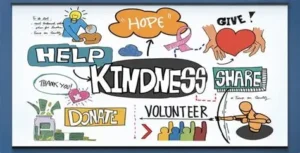
Kind words and respectful behavior help create a positive digital environment.
Students should avoid cyberbullying, spreading rumors, or posting hurtful comments.
This helps build trust and respect among friends and classmates.
Teachers explain that information found on the internet should be checked carefully because not everything online is true.
Students can ask parents or teachers if they find something confusing or upsetting online.
This helps them make safe and informed decisions.
Learning digital citizenship also teaches honesty and responsibility.
Students should respect copyright by giving credit when using someone else’s work.
This helps in developing fairness and integrity.
Parents can guide children by setting healthy screen-time limits and discussing safe internet habits.
Students should balance their online activities with reading, outdoor games, hobbies, and family time.
This helps maintain a healthy lifestyle.
Schools can organize workshops on internet safety and responsible technology use.
Communities become safer when everyone follows good digital practices.
Small online actions, such as thinking before posting or reporting unsafe content, can make a big difference.
Every student has the power to create a positive and respectful online community.
Students who practice digital citizenship often inspire others to use technology wisely.
By learning digital citizenship, students can use technology responsibly, protect their personal information, communicate respectfully, and develop habits that help them become safe, smart, and responsible digital citizens.