Learning to care for public places is an important habit that helps students become responsible citizens. Public places such as parks, playgrounds, schools, libraries, bus stops, gardens, and streets are shared by everyone. Keeping these places clean and safe is the responsibility of every citizen.
Many public places become dirty because people throw litter on the ground, damage property, or ignore cleanliness rules. Such actions make these places unpleasant and unsafe for everyone.
When students learn to care for public places, they understand the importance of protecting shared spaces.
For students, this matters because clean public places create healthier and happier communities.
Students can throw waste into dustbins instead of littering.
They can help keep classrooms, school playgrounds, and nearby parks clean.
This helps in building cleanliness and civic responsibility.
Teachers encourage students to participate in cleanliness drives and community service activities.
Caring for public places develops discipline and respect for shared property.
Students who practice this habit often become responsible members of society.
Parents can support this by teaching children not to damage public property.
Students should avoid writing on walls, breaking benches, or harming plants in public parks.
This helps protect community resources for everyone to enjoy.
Teachers explain that public property belongs to all citizens and should be treated with care.
Students can encourage friends and family to keep their surroundings clean.
This helps spread awareness about environmental responsibility.
Learning to care for public places also teaches teamwork and cooperation.
Students who follow this habit become more thoughtful and community-minded.
This habit improves respect for the environment and for other people.
Students can volunteer during school campaigns that promote cleanliness and conservation.
Schools can organize awareness programs about protecting public property.
Communities become cleaner and more beautiful when everyone works together.
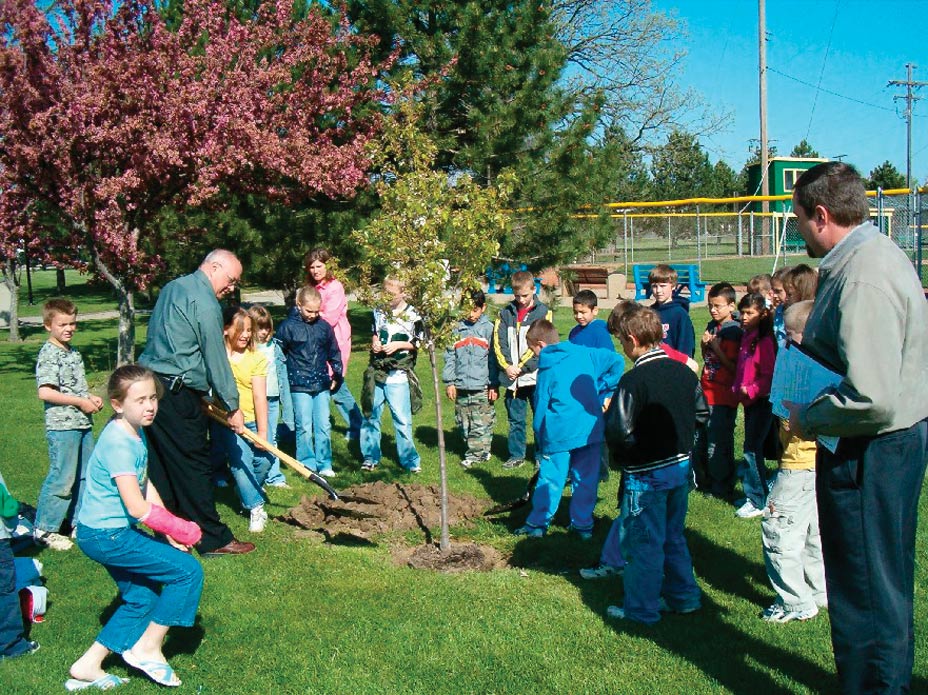
Small actions, like picking up litter or planting a tree, can make a big difference.
Every student has the power to improve the places they use every day.
Students who care for public places often inspire others to do the same.
By learning to care for public places, students can become responsible citizens, protect shared resources, and develop habits that create cleaner, safer, and more welcoming communities for everyone.