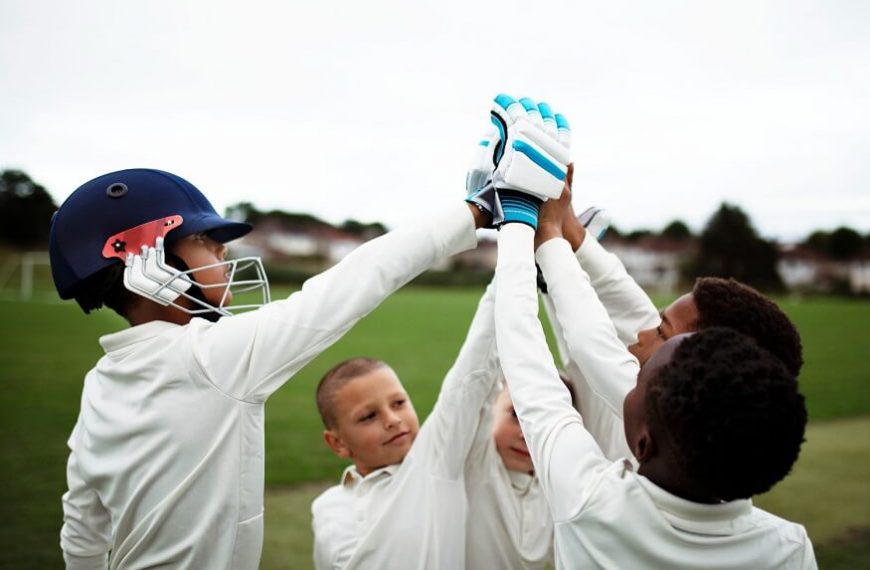
Learning good sportsmanship is an important life skill that helps students develop respect, honesty, teamwork, and self-control. Sportsmanship means playing fairly, following the rules, respecting opponents, and accepting both victory and defeat with a positive attitude.
Sports are not only about winning trophies or medals. They also teach valuable lessons that help students become better individuals. A true champion is someone who shows kindness, discipline, and respect, whether they win or lose.
When students practice good sportsmanship, they create a friendly and enjoyable environment for everyone.
For students, this matters because the values learned in sports can also be applied in school, at home, and in everyday life.
Students should always follow the rules of the game.
They should listen carefully to coaches, teachers, and referees.
This helps in maintaining fairness and discipline.
Teachers encourage students to respect both teammates and opponents.
Winning should be celebrated with humility rather than pride.
Students should congratulate their opponents after every match.
This shows respect and appreciation for everyone’s effort.
If students lose a game, they should accept the result gracefully instead of blaming others.
Every defeat is an opportunity to learn and improve.
Teachers explain that mistakes help players become stronger and more skilled.
Students should encourage teammates who feel disappointed.
This helps build confidence and team spirit.
Learning good sportsmanship also teaches patience and emotional control.
Students should avoid arguing with referees or using rude language during games.
This creates a positive and respectful sporting environment.
Parents can support this habit by praising children’s effort rather than only their victories.
Schools can organize sports events that promote fair play and teamwork.
Students can shake hands before and after every game as a sign of friendship.
Communities become stronger when people compete with honesty and respect.
Small acts of kindness on the playground can create lifelong friendships.
Every game is an opportunity to learn valuable life lessons.
Students who practice good sportsmanship often become trusted leaders and positive role models.
By learning good sportsmanship, students can win with humility, lose with grace, respect others, and develop qualities that help them succeed both on and off the playing field.