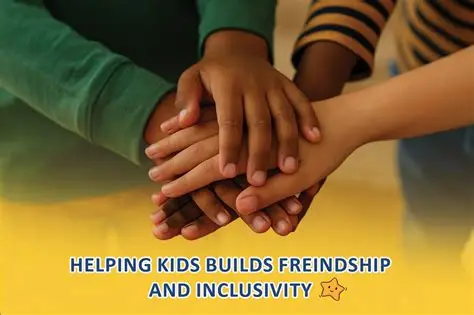
Learning to accept differences is an important life skill that helps students build respect, inclusion, and strong friendships. Every person is unique, with different backgrounds, languages, cultures, talents, and opinions. These differences make our world interesting and beautiful.
Sometimes, students may not understand or accept someone who looks, speaks, or thinks differently. This can lead to misunderstandings or hurt feelings.
When students learn to accept differences, they become kinder and more open-minded.
For students, this matters because every child deserves to feel respected and included.
Students can be friendly to classmates from different cultures and communities.
They can listen carefully when others share their ideas and experiences.
This helps in building mutual respect and understanding.
Teachers encourage students to work together in groups and learn from one another.
Accepting differences improves teamwork and communication.
Students who practice this habit often make friends more easily.
Parents can support this by teaching children to treat everyone with kindness and fairness.
Students should avoid judging others based on their appearance, language, or abilities.
This helps create a safe and welcoming environment for everyone.
Teachers explain that every person has unique strengths and talents.
Students can celebrate cultural events and learn about different traditions.
This helps increase knowledge and appreciation of diversity.
Learning to accept differences also teaches empathy and compassion.
Students who follow this habit become more respectful and responsible.
This habit improves confidence because everyone feels valued.
Students can stand up for classmates who are being treated unfairly.
Schools can organize activities that celebrate diversity and inclusion.
Communities become stronger when people respect one another.
Small acts of kindness can help everyone feel accepted.
Every friendship grows stronger through understanding and respect.
Students who accept differences often inspire others to be kind and inclusive.
By learning to accept differences, students can build respect, strengthen friendships, and develop values that create a caring, peaceful, and united community.