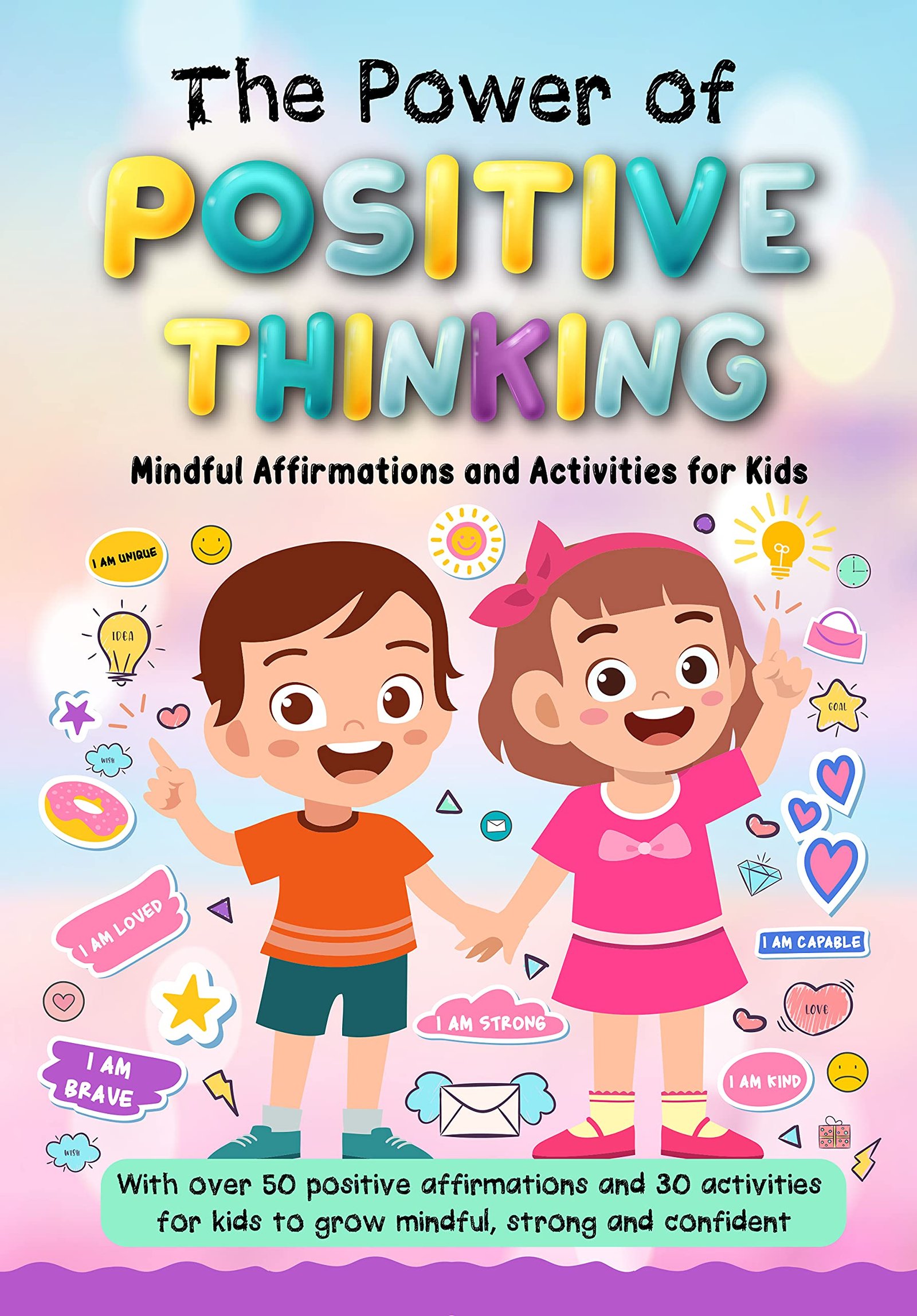
Our thoughts influence the way we feel, act, and respond to the world around us. Positive thinking is the habit of looking at challenges with hope, confidence, and determination instead of fear or negativity. It does not mean ignoring problems or pretending that everything is perfect. Rather, it means believing that every challenge can be overcome through effort, patience, and the right attitude. Teaching children to think positively helps them become confident, resilient, and successful individuals.
Every child faces challenges while growing up. They may find certain subjects difficult, lose a sports competition, make mistakes during a performance, or experience disagreements with friends. Such situations can make them feel disappointed or discouraged. Positive thinking helps children understand that setbacks are temporary and that every failure is an opportunity to learn and improve.
Children with a positive attitude are more willing to try new things. Instead of saying, “I can’t do this,” they learn to say, “I can’t do this yet, but I will keep trying.” This small change in mindset encourages perseverance and builds confidence. It teaches children that success comes through continuous effort rather than immediate perfection.
Positive thinking also improves mental and emotional well-being. Children who focus on solutions instead of problems experience less stress and anxiety. They develop greater self-confidence and are better able to handle pressure during examinations, competitions, and other challenging situations. Optimistic children are generally happier, more motivated, and more enthusiastic about learning.
Parents play a vital role in shaping a child’s attitude. Encouraging words such as “I believe in you,” “Keep trying,” and “Every mistake teaches something new” can have a lasting impact on a child’s confidence. Instead of criticizing failures, parents should celebrate effort and progress. A supportive home environment helps children develop courage and resilience.
Teachers also influence students’ mindsets. By appreciating sincere effort, encouraging participation, and providing constructive feedback, teachers help children believe in their abilities. Classroom activities that promote teamwork, creativity, and problem-solving create an atmosphere where students feel confident to explore new ideas without fearing mistakes.
Positive thinking should always be balanced with realistic action. Simply wishing for success is not enough. Children must understand that positive thoughts should be accompanied by hard work, discipline, and determination. A student who believes they can achieve good marks must also study regularly, complete assignments, and seek help when needed. Optimism and effort together create meaningful success.
Another important aspect of positive thinking is gratitude. Children who appreciate their family, teachers, friends, and opportunities are more likely to remain hopeful even during difficult times. Gratitude shifts attention from what is lacking to what is already present, creating a happier and more balanced outlook on life.
Positive thinking also inspires kindness and cooperation. Children who believe in themselves are less likely to feel jealous of others’ achievements. Instead, they celebrate the success of their friends, offer encouragement, and work together toward common goals. This attitude strengthens friendships and creates a supportive learning environment.
In today’s rapidly changing world, children need more than academic knowledge to succeed. They need resilience, optimism, confidence, and the courage to face uncertainty. Positive thinking equips them with these qualities, enabling them to adapt to challenges and pursue their dreams with determination.
As the famous quote by Norman Vincent Peale reminds us, “Change your thoughts, and you change your world.” By teaching children to think positively, believe in themselves, and approach life with hope and determination, we prepare them for a future filled with opportunities. A positive mind is one of the greatest gifts we can give a child, for it empowers them to turn obstacles into opportunities and dreams into reality.