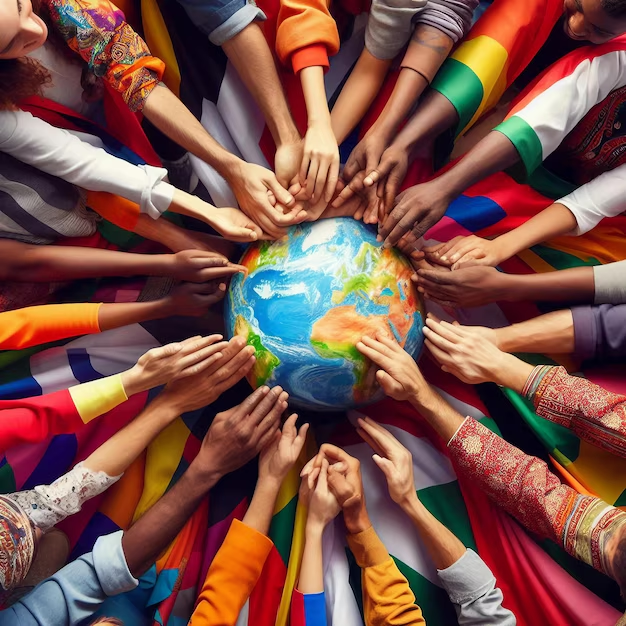
The world is home to people from different cultures, languages, religions, traditions, and backgrounds. Although we may look different, speak different languages, or celebrate different festivals, we all deserve equal respect and kindness. Teaching children to respect diversity helps them become open-minded, compassionate, and responsible citizens who can contribute to a peaceful and inclusive society.
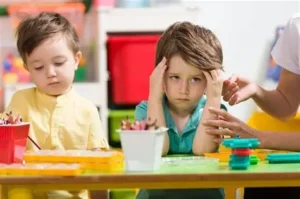
Children begin to notice differences from an early age. They may meet classmates who speak another language, follow different customs, or come from different parts of the country. Instead of viewing these differences as barriers, they should learn to see them as opportunities to learn something new. Every culture has unique traditions, food, music, clothing, and values that enrich our lives.
India is one of the best examples of diversity. Our country is home to hundreds of languages, numerous festivals, and people from different communities living together. Festivals such as Diwali, Eid, Christmas, Guru Nanak Jayanti, Buddha Purnima, and Pongal teach us the values of love, peace, gratitude, and unity. Celebrating and respecting each other’s traditions strengthens the spirit of national integration.
Respecting diversity begins with simple actions. Children should learn to speak politely to everyone, avoid making fun of someone’s appearance or language, and include all classmates in games and activities. A welcoming smile or a friendly conversation can make a new student feel comfortable and accepted. These small acts create an atmosphere of friendship and mutual respect.
Schools play an important role in promoting diversity and inclusion. Group activities, cultural programmes, language days, and celebrations of national festivals help students appreciate different traditions and learn from one another. Classroom discussions about equality, human rights, and respect encourage children to value every individual regardless of their background.
Respect for diversity also includes accepting different abilities. Some children may learn more slowly, while others may have physical or learning disabilities. Instead of excluding them, students should offer support, encouragement, and friendship. Inclusive classrooms teach children that everyone has unique strengths and deserves equal opportunities to succeed.
Parents can nurture respect for diversity by exposing children to different cultures through books, travel, music, food, and meaningful conversations. Encouraging children to ask questions, appreciate differences, and challenge stereotypes helps them develop empathy and understanding. When adults demonstrate respect for all people, children naturally adopt the same attitude.
In today’s connected world, children interact with people from different countries through education, sports, and technology. Understanding diversity prepares them to work effectively with people from various cultures and backgrounds. Employers and communities increasingly value individuals who can collaborate respectfully and communicate across differences.
Respecting diversity does not mean giving up our own identity. Instead, it means appreciating our own traditions while respecting the traditions of others. It teaches children that differences should unite us through learning rather than divide us through misunderstanding. A society that values diversity becomes stronger, more creative, and more peaceful.
As the saying goes, “Unity in diversity is our greatest strength.” By teaching children to respect every individual, celebrate differences, and treat everyone with dignity, we prepare them to become responsible global citizens. When children learn to value diversity, they help build a future where people live together with understanding, harmony, and mutual respect.