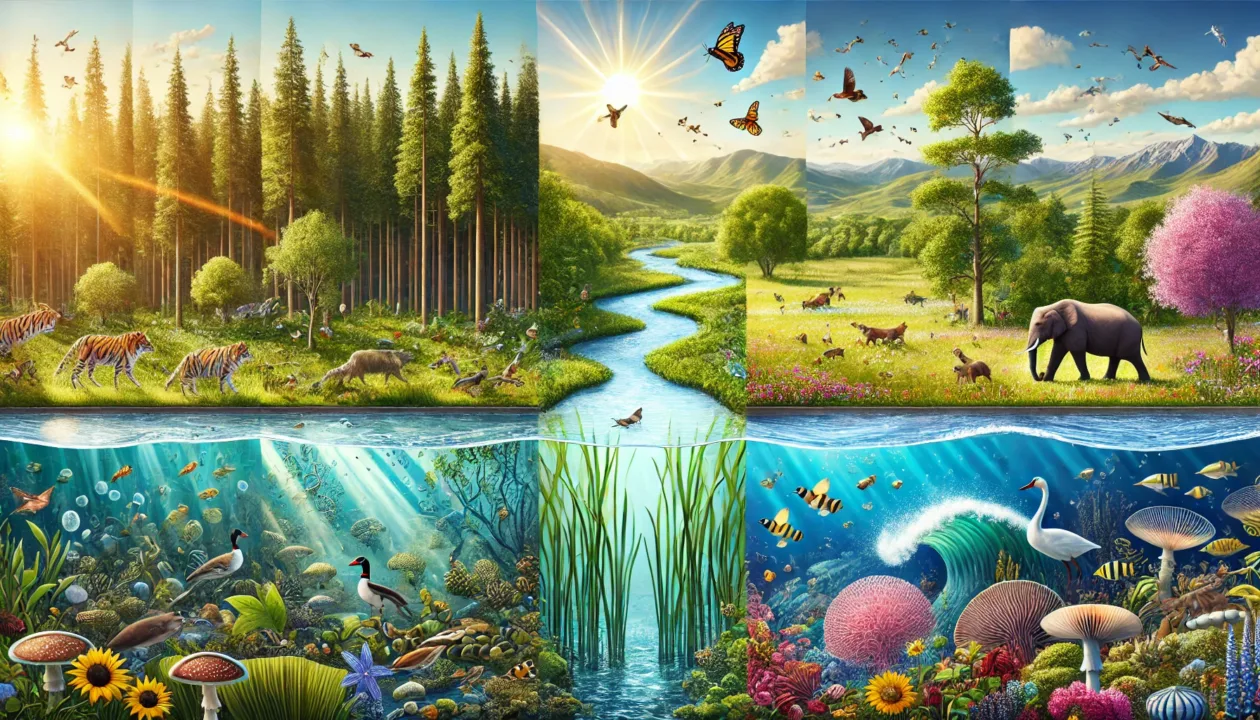
Nature is one of the greatest gifts to humanity. It provides us with clean air to breathe, fresh water to drink, fertile soil to grow food, and countless plants and animals that maintain the balance of life on Earth. Mountains, rivers, forests, oceans, and wildlife make our planet beautiful and support every living creature. Teaching children to respect nature from an early age helps them become environmentally responsible citizens who understand the importance of protecting our planet.
Children have a natural curiosity about the world around them. They enjoy watching birds fly, collecting colourful leaves, listening to the sound of rain, and exploring parks and gardens. These experiences help them develop a deep appreciation for nature. When children spend time outdoors, they not only learn about the environment but also develop a sense of responsibility towards protecting it.
Respecting nature begins with simple daily habits. Children should avoid littering in public places, use dustbins properly, save water and electricity, and avoid wasting natural resources. Turning off lights when leaving a room, carrying reusable water bottles, and saying no to single-use plastics are small actions that can make a significant difference. These habits teach children that everyone has a role in protecting the environment.
Planting and caring for trees is one of the most meaningful ways to respect nature. Trees provide oxygen, absorb carbon dioxide, prevent soil erosion, and offer shelter to birds and animals. Schools and families can organise tree-planting activities and encourage children to take responsibility for nurturing a plant. Watching a tree grow reminds children that every small effort can create lasting benefits.
Respect for nature also means protecting animals and birds. Every living creature plays an important role in maintaining ecological balance. Children should be taught never to harm animals for fun or destroy their habitats. Feeding birds during summer, providing water bowls for animals, and protecting local wildlife are simple acts of kindness that demonstrate respect for all forms of life.
Outdoor learning is another excellent way to connect children with nature. Nature walks, visits to botanical gardens, wildlife sanctuaries, and science parks allow children to observe plants, insects, birds, and ecosystems closely. These experiences make learning enjoyable and help children understand the importance of biodiversity and conservation.
Parents play a crucial role in developing environmental values. Family activities such as gardening, cleaning neighbourhood parks, recycling household waste, and reducing plastic use teach children that protecting nature begins at home. When adults practise eco-friendly habits, children naturally follow their example.
Schools can strengthen environmental awareness by celebrating Earth Day, World Environment Day, and Wildlife Week. Organising eco-clubs, recycling projects, poster competitions, and awareness campaigns encourages students to become active participants in protecting the environment. Practical activities leave a lasting impression and inspire lifelong habits.
Respecting nature is not only about protecting the environment—it is also about protecting our own future. Clean air, pure water, healthy forests, and rich biodiversity are essential for human survival. If we misuse natural resources today, future generations may face serious challenges such as water shortages, pollution, and climate change. Every child should understand that caring for nature is an investment in a healthier and more sustainable world.
As the famous environmentalist Baba Amte said, “Nature is not our property to destroy; it is our responsibility to protect.” By teaching children to love, respect, and care for the natural world, we prepare them to become responsible guardians of the Earth. Every tree planted, every drop of water saved, and every act of kindness towards nature brings us closer to a greener, cleaner, and more beautiful future for all.