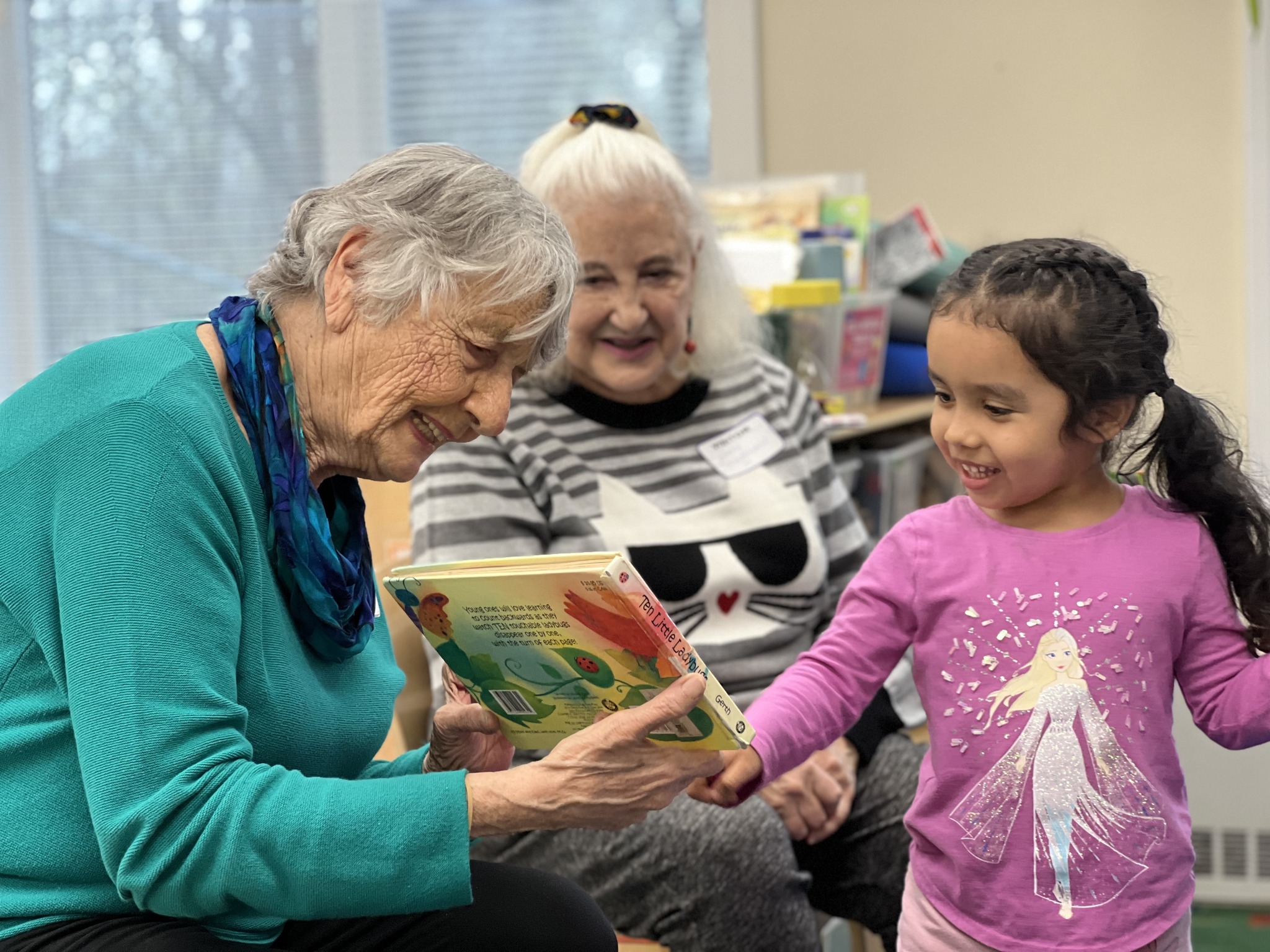
Reading is one of the greatest gifts a child can receive, but it becomes even more meaningful when it is shared with others. Volunteer reading is the practice of reading aloud or helping others develop their reading skills without expecting anything in return. Whether reading to younger children, senior citizens, or visually impaired individuals, volunteer reading promotes kindness, confidence, and a love for learning. It teaches children that knowledge becomes more valuable when it is shared.
Many young children struggle with reading during their early school years. Older students who volunteer to read stories or assist them with simple books can make learning enjoyable and less intimidating. These interactions not only improve reading skills but also build friendships and encourage younger children to develop confidence in their abilities.
Volunteer reading also benefits the reader. Reading aloud improves pronunciation, fluency, vocabulary, and communication skills. It teaches children to speak clearly, use proper expression, and maintain eye contact with listeners. These abilities help students perform better in classroom presentations, storytelling competitions, and public speaking events.
One of the greatest lessons volunteer reading teaches is empathy. Children learn to understand the needs of others and experience the joy of helping someone learn. Reading to elderly people in care homes or sharing stories with children in community libraries creates meaningful connections across generations. Such experiences help children become compassionate and socially responsible individuals.
Schools can encourage volunteer reading by organizing reading buddy programmes, where senior students help junior students improve their reading abilities. Teachers can also arrange storytelling sessions in nearby community centres, libraries, or children’s hospitals. These activities promote literacy while developing leadership, patience, and teamwork among students.
Parents can support this habit by encouraging children to read bedtime stories to younger siblings or cousins. Family reading sessions create wonderful opportunities to spend quality time together while strengthening reading habits. A child who enjoys reading with others often develops a lifelong appreciation for books and learning.
Volunteer reading also contributes to building stronger communities. When more children become confident readers, they perform better academically and gain greater confidence in expressing themselves. Literacy opens doors to education, employment, and personal growth. Every child who helps another child read contributes to creating a more educated and informed society.
In today’s digital age, volunteer reading can also take place online. Children can participate in virtual storytelling sessions, record educational stories, or assist younger learners through supervised digital platforms. Technology, when used responsibly, can help spread the joy of reading to children who may not have easy access to books or libraries.
Volunteer reading reminds children that education is not only about personal success but also about helping others succeed. A few minutes spent reading with someone can inspire confidence, encourage learning, and create memories that last a lifetime. The habit of sharing knowledge develops generosity, patience, and a sense of community.
As the famous saying goes, “Knowledge grows when it is shared.” By encouraging children to become volunteer readers, we teach them that every story they share has the power to inspire, educate, and transform lives. A child who helps another child learn to read is not only sharing words but also opening the door to a brighter future filled with knowledge, confidence, and endless possibilities.