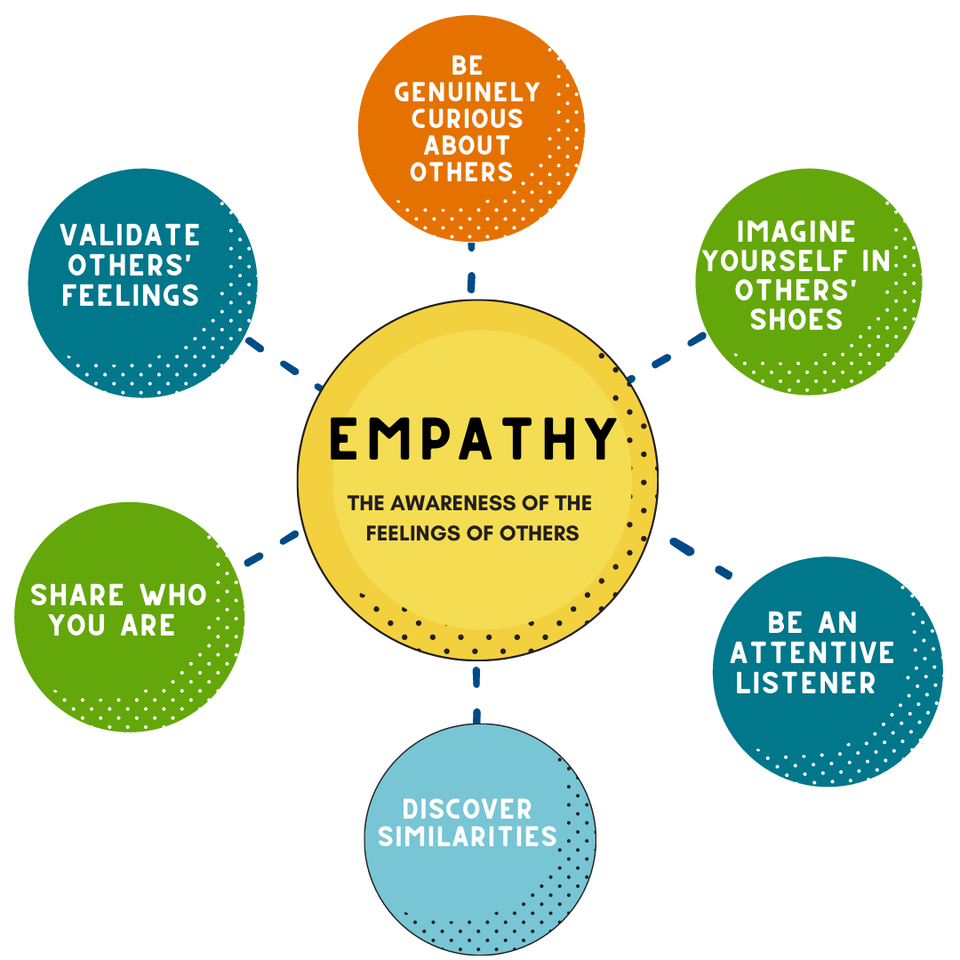
Empathy is the ability to understand and share the feelings of another person. It means putting ourselves in someone else’s place and trying to understand what they are experiencing. Empathy is one of the most valuable qualities a child can develop because it builds kindness, respect, compassion, and strong relationships. In a world where people come from different backgrounds and face different challenges, empathy helps us treat everyone with dignity and care.
Children begin learning empathy through everyday experiences. When they comfort a friend who is upset, help a classmate who is struggling, or share their lunch with someone who has forgotten theirs, they are practising empathy. These small acts of kindness teach children that their actions can make a positive difference in someone else’s life.
Empathy plays a vital role in building friendships. A child who listens carefully, understands the feelings of others, and offers support becomes a trusted friend. Instead of judging or making fun of someone, empathetic children choose to encourage and include everyone. They understand that every person deserves kindness, regardless of their abilities, appearance, or background.
One of the greatest benefits of empathy is reducing conflicts. Many disagreements occur because people fail to understand each other’s feelings. When children learn to listen patiently and consider another person’s point of view, they are more likely to solve problems peacefully. They realize that respect and understanding are more effective than anger or arguments.
Empathy is especially important in preventing bullying. Children who understand how hurtful words and actions can affect others are less likely to bully their classmates. They are also more likely to stand up for someone who is being treated unfairly. Creating a culture of empathy in schools helps every student feel safe, accepted, and valued.
Parents play a key role in teaching empathy. They can encourage children to express their emotions, discuss how others might feel in different situations, and show kindness through everyday actions. Reading stories, watching meaningful films, and talking about the characters’ emotions help children understand different perspectives. Most importantly, children learn empathy by observing how adults treat family members, neighbours, and strangers.
Teachers can nurture empathy by creating classrooms where every child feels respected and included. Group activities, role-playing, storytelling, and community service projects help students appreciate different experiences and develop compassion. Encouraging teamwork instead of unhealthy competition also strengthens mutual respect and understanding.
Empathy extends beyond human relationships. Children should also learn to care for animals and the environment. Feeding birds during summer, protecting animals from harm, planting trees, and keeping public places clean are all expressions of empathy toward the world around us. Caring for nature teaches children that every living being deserves respect and protection.
In today’s digital world, empathy is equally important online. Children should think before posting comments, sending messages, or sharing content on social media. Respectful communication, avoiding hurtful language, and supporting others through positive interactions make the internet a safer and kinder place. Digital empathy is just as valuable as empathy shown face to face.
Empathy is a quality that benefits every area of life. It helps children become better friends, responsible students, thoughtful leaders, and caring family members. As they grow older, empathy enables them to work well with others, solve conflicts peacefully, and contribute positively to society. People may forget what we say or do, but they always remember how we made them feel.
As the famous author Harper Lee wrote, “You never really understand a person until you consider things from his point of view.” By teaching children empathy, we help them build hearts that are as strong as their minds. A child who learns to understand, respect, and care for others today will grow into an adult who spreads kindness, builds stronger communities, and makes the world a better place for everyone.