Good health begins with good nutrition. During childhood, the body and brain grow rapidly, making healthy eating one of the most important factors in a child’s development. A balanced diet not only provides energy for daily activities but also supports physical growth, strengthens immunity, improves concentration, and enhances academic performance. Teaching children healthy eating habits from an early age lays the foundation for a lifetime of wellness.
A balanced diet includes a variety of foods such as fruits, vegetables, whole grains, pulses, dairy products, nuts, and proteins like eggs, fish, or lean meat. Each food group provides essential nutrients that help the body function properly. Fruits and vegetables are rich in vitamins and minerals, while proteins help build muscles and repair tissues. Whole grains provide long-lasting energy, and dairy products strengthen bones and teeth with calcium.
Breakfast is often called the most important meal of the day, and for good reason. Children who eat a nutritious breakfast are more alert, active, and focused in school. Skipping breakfast can lead to tiredness, poor concentration, and reduced learning ability. A healthy breakfast may include milk, fruits, whole-grain bread, eggs, or homemade dishes such as poha, upma, or idli.
In recent years, junk food has become increasingly popular among children. Burgers, pizzas, chips, sugary drinks, chocolates, and packaged snacks may taste appealing, but they often contain excessive sugar, salt, and unhealthy fats. Regular consumption of these foods can increase the risk of obesity, diabetes, heart disease, and other health problems. While occasional treats are acceptable, they should never replace nutritious home-cooked meals.
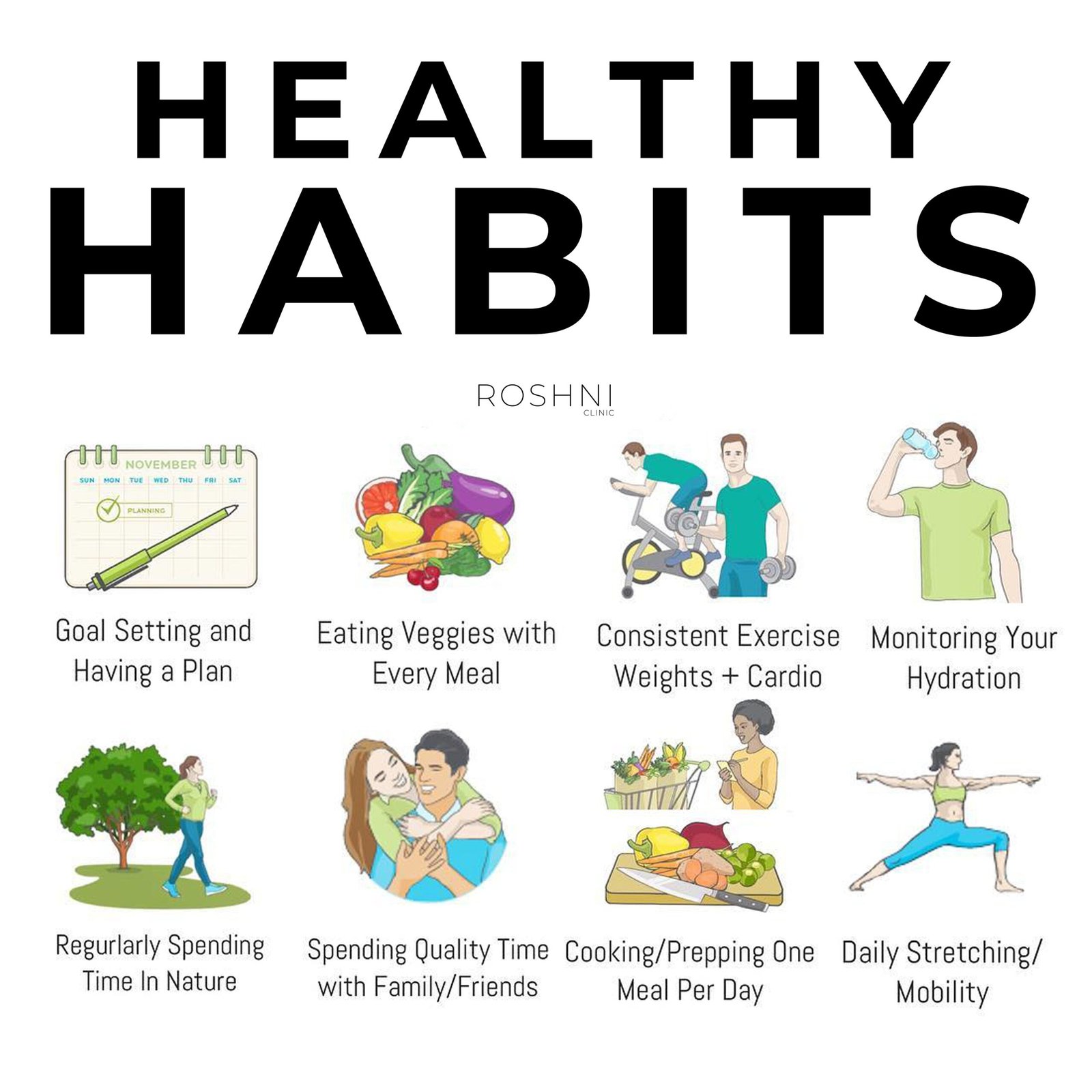
Hydration is equally important for maintaining good health. Water helps regulate body temperature, aids digestion, and keeps the body energized. Children should be encouraged to drink plenty of water throughout the day instead of sugary soft drinks or energy beverages. Fresh fruit juices, coconut water, and homemade drinks are healthier alternatives when consumed in moderation.
Healthy eating is not only about choosing the right foods but also about developing good eating habits. Children should eat meals at regular times, chew their food slowly, avoid wasting food, and limit distractions such as television or mobile phones during meals. Family mealtimes provide an opportunity to strengthen relationships while encouraging mindful eating.
Parents and schools play a vital role in promoting healthy nutrition. Parents can prepare balanced lunch boxes with fresh fruits, vegetables, and nutritious snacks instead of processed foods. Schools can support these efforts by promoting healthy canteen policies, organizing nutrition awareness programs, and celebrating events such as National Nutrition Week to educate students about healthy lifestyles.
Physical activity and healthy eating go hand in hand. Regular exercise, outdoor games, cycling, swimming, or simple activities like walking help children stay fit and maintain a healthy weight. A nutritious diet combined with an active lifestyle supports overall growth and reduces the risk of lifestyle-related diseases later in life.
Teaching children about food also helps them appreciate farmers, understand the importance of agriculture, and reduce food wastage. Every grain of food represents the hard work of countless people, and respecting food is an important value that every child should learn.
Healthy eating is one of the greatest investments parents can make in their child’s future. Good nutrition improves learning, boosts immunity, enhances physical fitness, and supports emotional well-being. Children who develop healthy eating habits today are more likely to become healthy, energetic, and productive adults tomorrow.
As the famous saying goes, “Health is wealth.” By choosing nutritious foods, staying active, and practising healthy eating habits every day, children can build strong bodies, sharp minds, and a bright future filled with energy, confidence, and success.